

Clinical laboratory services in urgent care help providers gather important diagnostic information during a visit. These services may include blood, urine, and swab testing to support the evaluation of many non-emergency concerns. In urgent care, lab testing is typically one part of a broader assessment that may also include a medical history, physical exam, and, when appropriate, diagnostic imaging. Test results can provide useful clues, but they do not usually stand alone as a diagnosis by themselves.
For patients, this means lab work is often used to help clarify what may be causing symptoms and to guide next steps. Final recommendations depend on physician evaluation, the full clinical picture, and the patient’s condition at the time of care. This guide explains what clinical laboratory services may include, how they differ from imaging, when they may be used in urgent care, and what to expect during the evaluation process.
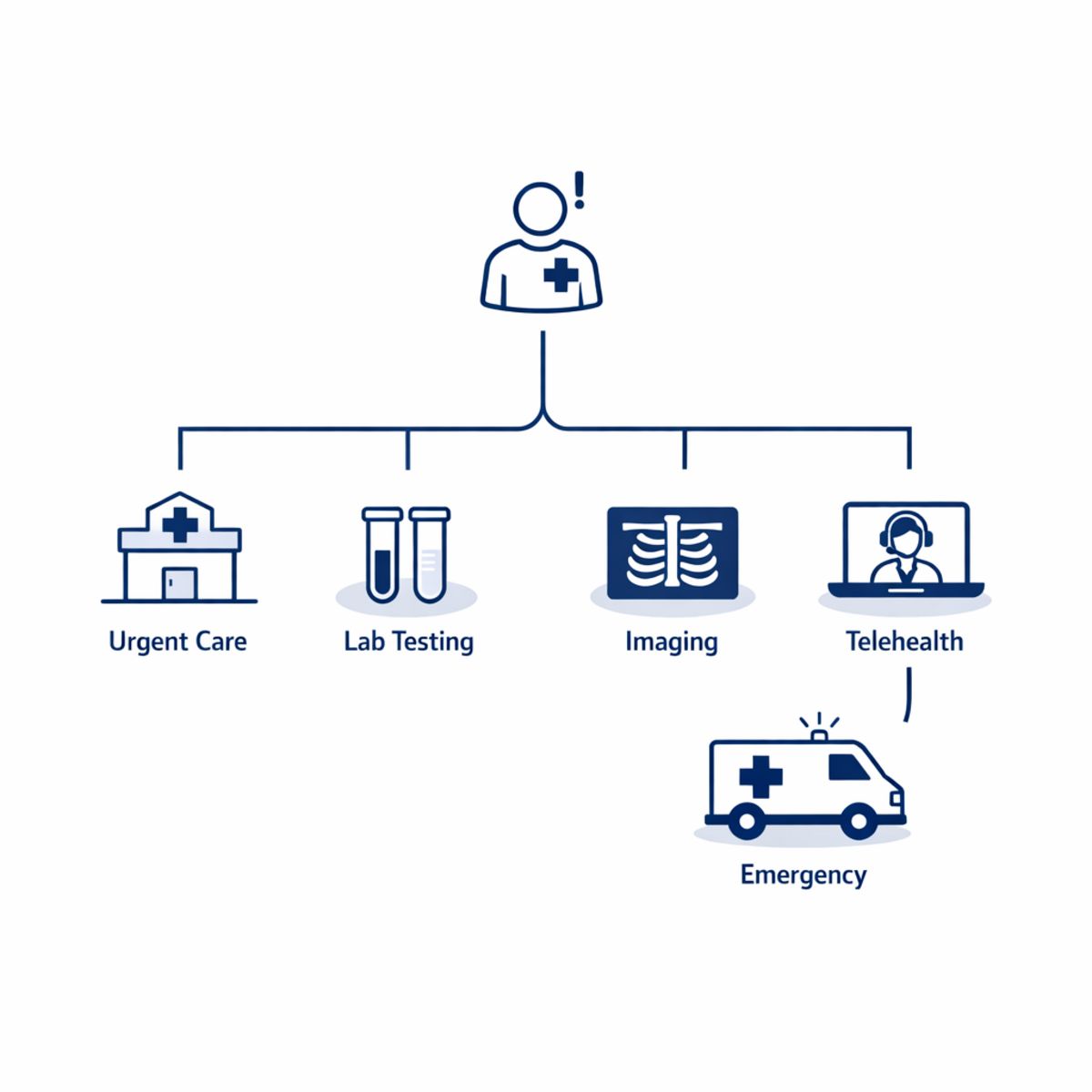
Urgent care can evaluate many everyday illnesses and minor injuries, but it does not replace emergency care for life-threatening symptoms. If you have chest pain, signs of stroke, severe trauma, or difficulty breathing, seek emergency medical attention right away.
What Are Clinical Laboratory Services?
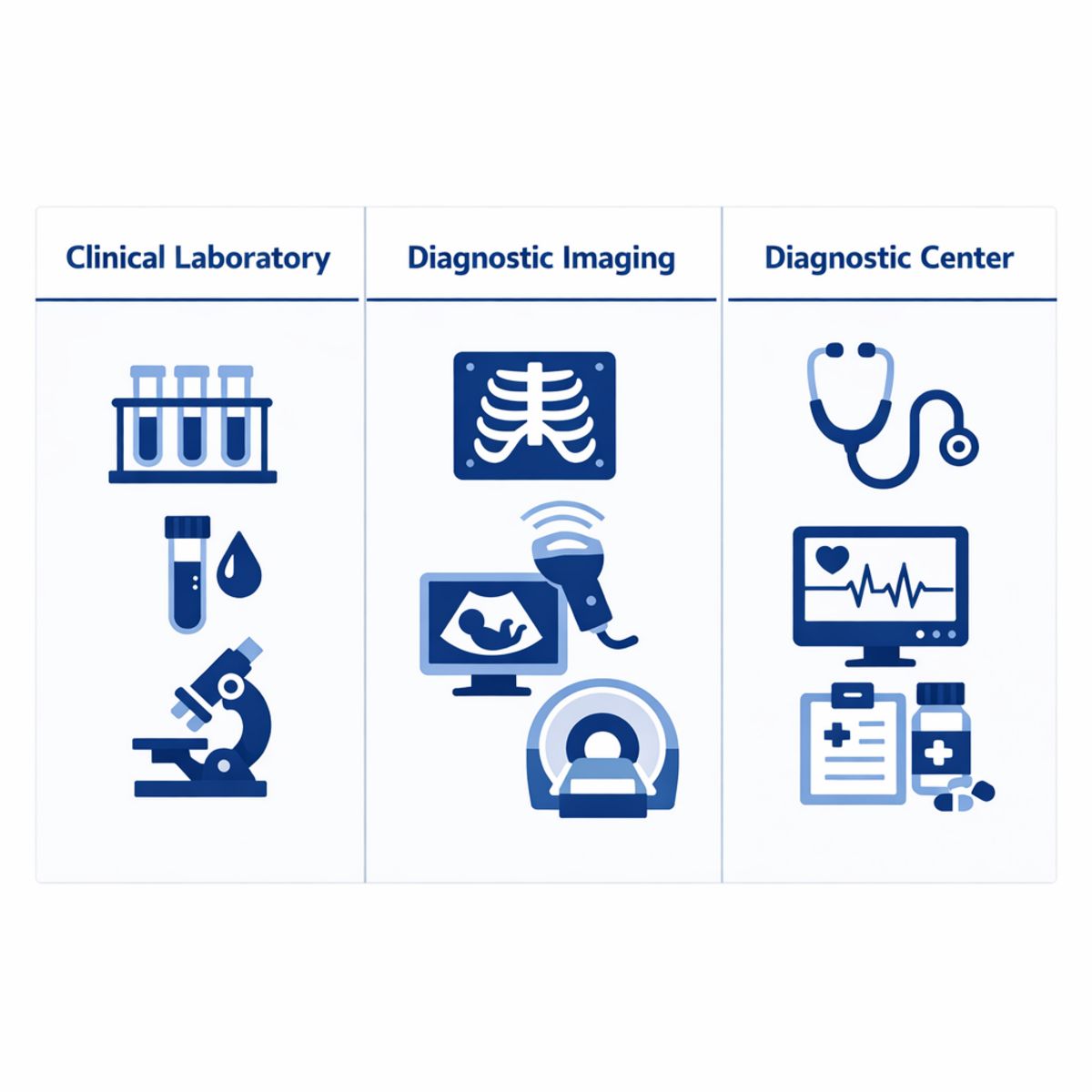
Clinical laboratory services are tests performed on samples such as blood, urine, throat swabs, stool, or other specimens to help support medical decision-making. In plain English, instead of creating a picture of the body, lab testing analyzes a sample to look for signs of infection, illness, pregnancy, inflammation, or other health concerns.
Common examples include infectious disease testing, urinalysis, bloodwork, pregnancy testing, and other point-of-care or provider-ordered tests depending on the patient’s symptoms and the clinic’s capabilities. Not every urgent care or diagnostic center offers every test, so availability can vary based on the condition being evaluated and the services offered at that location.
Common examples of lab testing
Patients often recognize lab services through rapid tests for infections, urine testing for hydration or urinary concerns, blood testing for a wider range of medical questions, and pregnancy testing. These tests can provide useful information quickly and may help guide next steps in care, treatment, or referral.
Lab testing vs. imaging
The key difference is that clinical lab services analyze samples, while diagnostic radiology and diagnostic medical imaging evaluate the body through images. For example, x-ray diagnostic services at Prime Urgent Care help assess injuries or internal concerns by creating images, whereas lab tests examine a specimen for measurable findings. A diagnostic center may offer both diagnostic imaging and laboratory services under one umbrella, but they serve different purposes.
Why Clinical Laboratory Services Matter for Patient Care
Clinical laboratory services can play an important role in urgent care by giving providers added information during the same visit. When symptoms such as fever, sore throat, urinary discomfort, cough, or fatigue could point to more than one possible cause, testing may help narrow the picture and support timely clinical decisions. This added clarity can help a provider decide whether watchful waiting, treatment, follow-up, or another step makes the most sense based on the full evaluation.
How testing adds context to symptoms
Many common symptoms overlap across different conditions, which is why test results are most useful when considered alongside a patient’s medical history, symptoms, and physical exam findings. In-clinic testing may help identify patterns that support a more informed assessment, while also helping rule out some possibilities. This can be especially helpful when a provider is determining whether symptoms appear mild and self-limited or whether they suggest a need for closer monitoring.
How results may shape next steps
Same-visit results can support care coordination by helping providers explain next steps more clearly before a patient leaves. Depending on the condition and the physician evaluation, that may include treatment planning, home care instructions, additional testing, imaging, referral, or follow-up recommendations. Lab findings are one part of the overall picture, and some concerns may still require other diagnostic solutions or specialist care. For some patients, Telehealth visits for follow-up guidance may also be a convenient option after an in-person evaluation.

When Urgent Care May Use Clinical Laboratory Services
Not every urgent care visit involves lab work. In many cases, a provider decides whether clinical laboratory services are appropriate after reviewing symptoms, performing an exam, and considering your medical history. That means testing may be recommended for some patients, while others may be treated based on the visit findings alone.
Common symptom groups that may prompt testing
Examples of non-emergency concerns that may lead to testing include sore throat, flu-like symptoms, urinary discomfort, minor dehydration concerns, fatigue, or certain gastrointestinal complaints such as nausea, vomiting, or diarrhea. Depending on the evaluation, an urgent care team may use rapid testing, basic lab work, or other in-office diagnostics to gather more information. Respiratory symptoms may or may not need testing, and general illness symptoms can sometimes be monitored without it. If you want a better sense of what to expect from urgent care providers, it helps to know that decisions are based on the full clinical picture rather than symptoms alone.
For patients with seasonal illness concerns, providers may also discuss flu and cold treatment options when that fits the visit. The goal is not to diagnose every symptom with a test, but to determine what level of evaluation makes sense for the situation.
When imaging may be part of the visit
Urgent care may also use diagnostic imaging when clinically appropriate. Injuries, suspected fractures, or some chest-related concerns may call for x-rays or other imaging instead of, or in addition to, lab work. This helps providers evaluate issues that are better seen through imaging than through laboratory testing.
It is also important to understand emergency boundaries. Chest pain, stroke symptoms, severe trauma, or difficulty breathing are not situations to wait on at urgent care. Call 911 or go to the nearest emergency room right away for those symptoms.
Clinical Laboratory Services vs. Diagnostic Imaging and Other Diagnostic Solutions
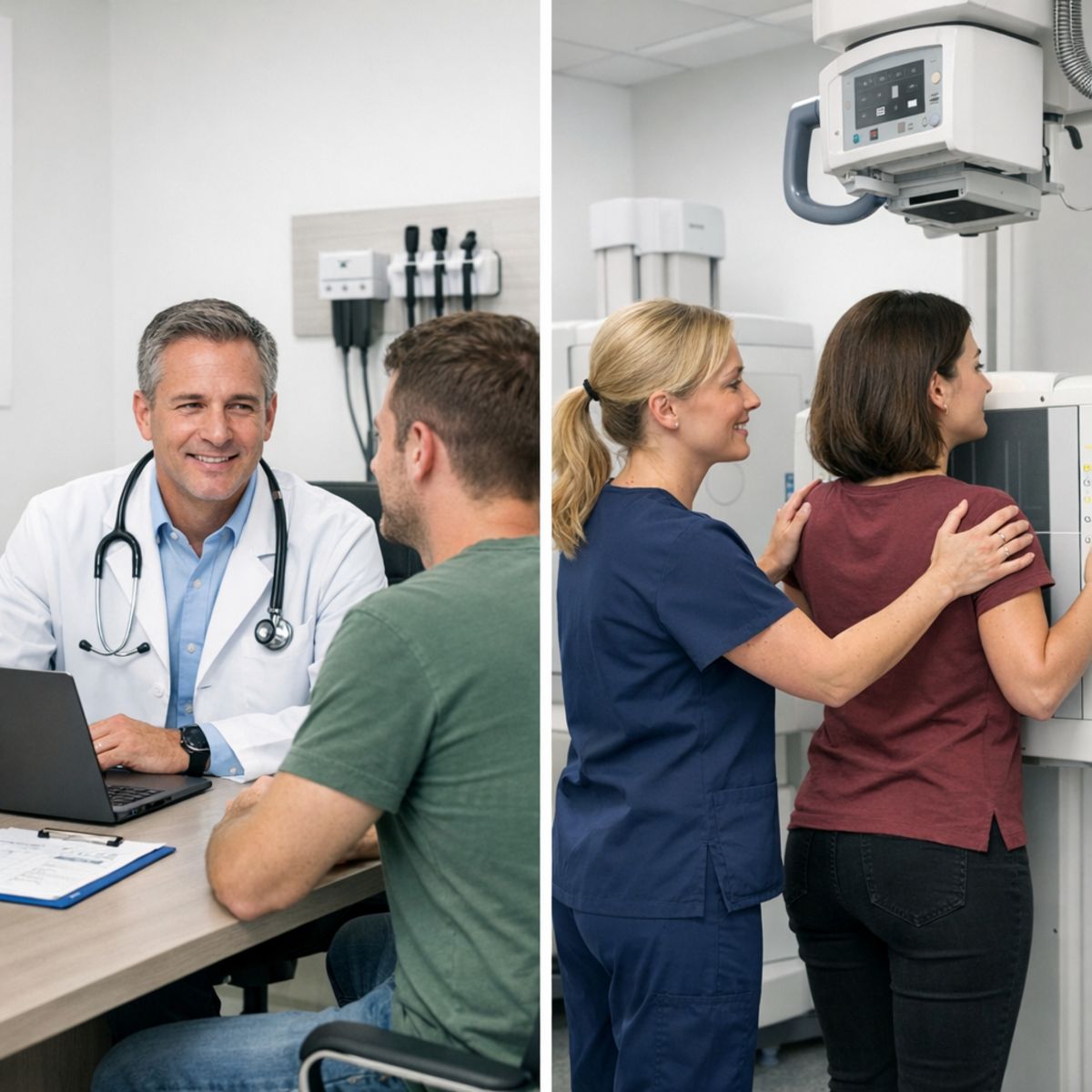
Clinical laboratory services and imaging both support evaluation, but they provide different kinds of answers. Lab testing analyzes samples such as blood, urine, or swabs to look for signs that may point to infection, inflammation, dehydration, or other changes in the body. By contrast, diagnostic imaging creates visual information that may help a care team look at bones, lungs, or other structures. In some cases, patients may need both lab work and in-clinic x-ray and diagnostic services as part of the same visit.
What lab tests can show
Lab tests can show markers that may help explain symptoms, such as whether the body may be responding to an infection or whether hydration or other basic health indicators appear off balance. These diagnostic information services are often useful when symptoms are not visible from the outside and when a provider needs more context to guide next steps.
What imaging can show
Imaging may help assess concerns that samples alone cannot show, including possible fractures, some chest-related issues, or other structural problems. Diagnostic radiology is the part of care focused on creating and interpreting these images. A diagnostic center or urgent care may use several diagnostic solutions together depending on the condition, with trained clinical staff and imaging professionals such as an x ray technician helping support the process in a patient-centered way.
How to Prepare for a Visit That May Involve Lab Testing
A little preparation can make your urgent care visit smoother and help the provider evaluate your symptoms more efficiently. If you have had a recent checkup or want more general prep tips, you can also review how to prepare for a physical exam.
Before you go
- Write down your symptoms, when they started, and anything that makes them better or worse.
- Bring a current list of medications, allergies, and relevant health history.
- Have your photo ID and insurance card ready, and verify plan acceptance in advance since coverage can vary by plan and visit type.
- If you are unsure whether to walk in or schedule a Telehealth consultation, ask which option best fits your symptoms. Some concerns may still require an in-person evaluation.
During the visit
The provider may ask follow-up questions, perform an exam, and determine whether lab work, imaging, or other next steps are appropriate based on your evaluation.
If testing is needed, some visits may include specimen collection during the appointment. Your provider should explain what the test is for, what happens next, and whether follow-up care or additional services such as physical exams and preventive care may be helpful later.

Cost, Insurance, and Access Considerations
Many patients want to understand cost and insurance coverage before choosing care. In urgent care, the total cost can depend on the type of visit, any tests or services ordered, and the details of your insurance plan. Coverage and out-of-pocket responsibility can vary from one plan to another, so it is a good idea to verify your benefits before visiting or scheduling Telehealth.
Urgent care can be a convenient option for many non-emergency concerns, but access to specific testing or services may differ by location and clinical need. If you are also looking into physical exams available through Prime Urgent Care, coverage may still depend on your insurer and the reason for the visit.
What affects cost and coverage
Patient responsibility is often influenced by the visit type, the tests performed, and plan-specific factors such as copays, deductibles, and network status. Checking your plan details in advance can help you better understand expected coverage.
Frequently Asked Questions About Clinical Laboratory Services
Quick answers to common questions
What do clinical laboratory services include?
Clinical laboratory services may include tests such as rapid strep, flu, COVID-19, urinalysis, pregnancy testing, blood work, and other ordered specimens. The exact tests available depend on the location, your symptoms, and whether an in-person evaluation is appropriate.
Can urgent care perform lab testing?
Many urgent care centers can perform certain on-site lab tests or collect samples for additional testing. Services vary, so patients are typically evaluated first to determine which tests, if any, are medically appropriate.
How are lab tests different from diagnostic imaging?
Lab tests analyze samples such as blood, urine, or swabs to provide clinical information. Diagnostic imaging, such as X-rays, creates pictures of structures inside the body and is used for different evaluation needs.
Should I choose Telehealth or an in-clinic visit?
Telehealth may be helpful for discussing symptoms and next steps, but lab testing usually requires an in-clinic visit. If you may need specimen collection, a physical exam, or testing during the visit, in-person care is often the better option.
When should I go to the emergency room instead of urgent care?
Go to the emergency room or call 911 for severe chest pain, trouble breathing, signs of stroke, heavy bleeding, seizures, loss of consciousness, or other life-threatening symptoms. Urgent care is not a substitute for emergency care when immediate hospital-level treatment may be needed.
Will my insurance cover lab testing?
Insurance coverage for lab testing depends on your plan, the type of test ordered, and whether the service is considered covered under your benefits. It is a good idea to bring your insurance information and verify coverage, copays, and any out-of-pocket costs with your insurer.
Get Evaluated When You Need Answers
If you have non-emergency symptoms and need answers, Prime Urgent Care can help you take the next step with an appropriate evaluation. Whether you may need an exam, lab testing, or x-ray diagnostic services at Prime Urgent Care, reaching out before your visit can help you understand your options.
For in-person needs, the clinic offers walk-in convenience with no appointment needed for urgent care services at Prime Urgent Care. If a virtual visit is more appropriate, Telehealth consultations are available by appointment. Before visiting, it’s a good idea to verify insurance coverage and contact the team with any questions about services, scheduling, or next steps.
When to contact the clinic
Call or contact the clinic if you want guidance on whether in-clinic evaluation or a scheduled Telehealth visit may be the better fit for your non-emergency concern.
The Bottom Line on Clinical Laboratory Services
Clinical laboratory services help urgent care providers gather useful diagnostic information from samples such as blood, urine, or swabs, while imaging is used to evaluate structural concerns. Together, these tools can support a more informed evaluation, but they do not replace a clinician’s judgment, exam, or overall assessment.
The right testing depends on your symptoms, medical history, exam findings, and physician evaluation. In other words, testing is most helpful when it is selected for a specific reason rather than assumed to be necessary in every situation. That is why clinical laboratory services are best understood as part of the care process, not a shortcut around it.
A simple takeaway for patients
If you have a non-emergency health concern, seeking timely evaluation can help you understand whether lab testing, imaging, or another next step makes sense. If you have severe symptoms or think you may be experiencing an emergency, call 911 or go to the nearest emergency room. A calm, prompt evaluation is often the best place to start.