
Walk-In Physical Exams and Annual Checkups
At Prime Urgent Care, you can walk in for routine physical exams, annual checkups, school and work health exams, and certain condition-focused evaluations—no appointment required during regular clinic hours.
Every physical is performed in-clinic by experienced providers and tailored to your age, gender, and health history. Male annual physical exams and focused assessments such as physical examination for DVT or Marfan screening may be available based on your provider’s clinical judgment, with Telehealth used when appropriate for follow-up discussion.
Visit during open hours or contact our team ahead of time to confirm availability and any specific physical exam schedule requirements for your school, employer, or activity.
If you or a loved one has life-threatening symptoms such as severe chest pain, trouble breathing, or signs of stroke, call 911 or go directly to the nearest emergency room instead of urgent care.

Why Regular Physical Exams Matter for Your Health
Routine physical exams at Prime Urgent Care give you a structured, head‑to‑toe check of your health so small concerns are caught before they become major problems. Your visit is individualized and may include a detailed history, review of systems (ROS), and a hands‑on physical exam using approaches like IPPA (inspection, palpation, percussion, auscultation), depending on which body systems need the most attention.

Catch Issues Early with a Complete Health Exam
During a complete health exam, your provider systematically checks key systems—such as cardiovascular, respiratory, neurologic, and musculoskeletal—to look for early signs of problems like high blood pressure, diabetes risk, or heart and lung issues. By following clear physical exam categories and adjusting the depth of the exam to your symptoms and medical history, they can spot subtle changes, order follow‑up testing when needed, and help you address concerns before they disrupt your daily life.
Annual Physical Exams for Long-Term Wellness
An annual physical exam is designed for long‑term wellness, not just quick symptom relief. Unlike a brief sick visit, an annual exam doctor visit typically includes a broader review of systems, a careful medication review, and time to talk through lifestyle habits and long‑term health goals. When appropriate, your provider may order lab tests, update vaccines, and adjust your care plan so you leave with a clear picture of where your health stands and what to focus on in the year ahead.
Gender-Specific and Condition-Focused Exams
Exam components can be tailored to your needs, whether you are coming in for a male annual physical exam or another adult wellness visit. When indicated and agreed upon, your provider may include prostate, testicular, or other GU physical exam elements as part of a thorough check. Some visits are more focused, such as a targeted physical examination for DVT that looks for leg swelling, tenderness, and circulation changes, or an assessment for Marfan physical exam features. Each exam is guided by clinical judgment, your preferences, and any follow‑up testing needed to keep you safe.
Documentation That Fits Medical Coding Standards
After your visit, your provider documents the history, ROS, and physical exam findings in a way that supports accurate records and billing, including the use of ICD‑10 annual exam codes and related annual physical exam code requirements. Prime Urgent Care follows internal protocols for documenting ICD‑10 annual exam codes that are specific to this clinic’s workflows and may differ from other urgent care centers. While this helps support clear, complete records, patients should always verify coverage and benefits directly with their insurance plan.
What to Expect During Your Physical Exam Visit
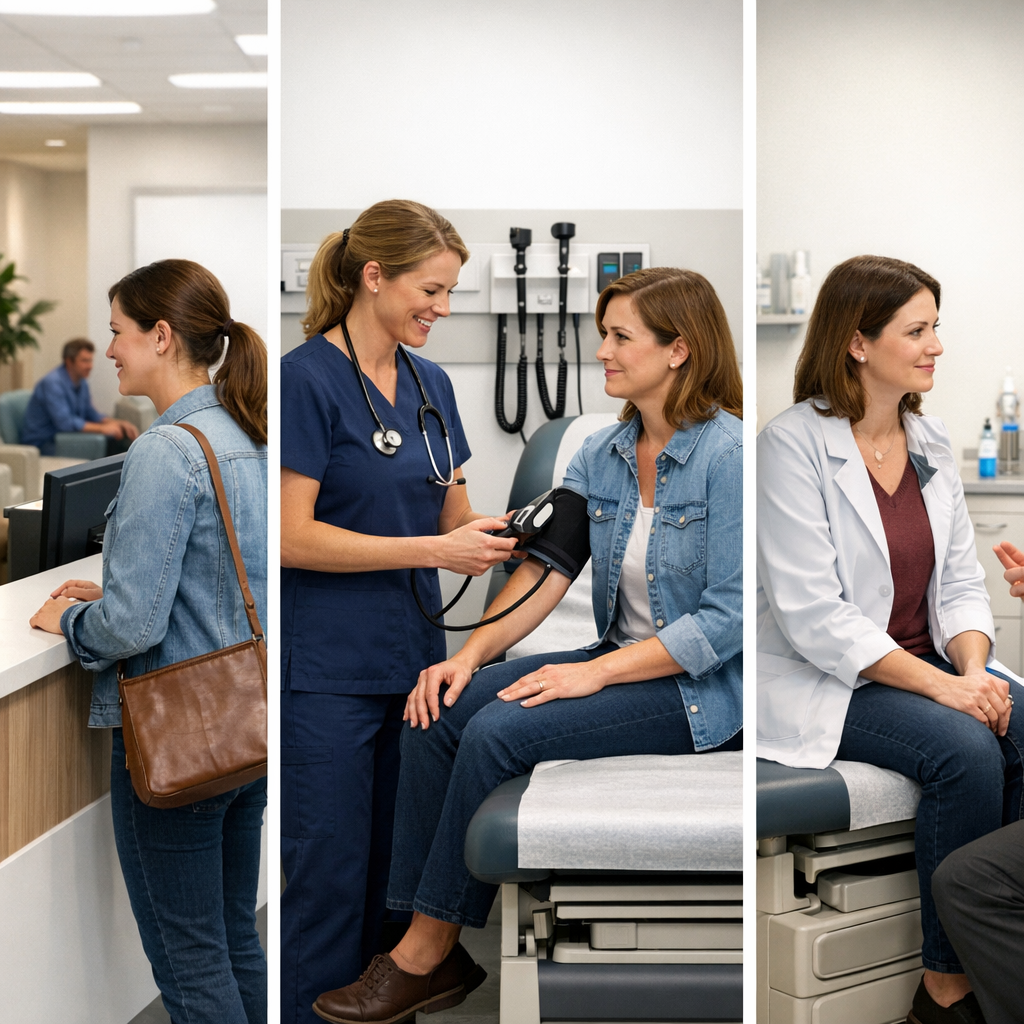
Your physical exam at Prime Urgent Care is a structured, in-clinic visit designed to be thorough, professional, and as comfortable as possible. From check-in to checkout, our team explains each step, respects your privacy, and keeps you informed about what the provider is doing and why.
Check-in and physical exam order review
When you arrive, you’ll check in at the front desk, complete or update your registration, and share any physical exam order forms from an employer, school, or another doctor. Our staff confirms the reason for your visit—such as an annual physical exam, work clearance, sports physical, or condition-focused health exam—and reviews any forms that need to be completed. You’ll be asked to provide a photo ID, insurance card, and a current list of medications, including over-the-counter products and supplements.
Vitals, history, and ROS vs. physical exam
A clinical team member brings you to an exam room and checks your vital signs, such as blood pressure, heart rate, temperature, oxygen saturation, weight, and height when needed. They review your medical history, allergies, and current medications, and make sure your information is up to date. Your provider then asks questions about different body systems as part of a review of systems (ROS) before performing the hands-on physical exam. In your medical record, ROS vs. physical exam findings are documented in separate sections to keep your chart clear and organized.
Focused doctor examination and IPPA techniques
During the doctor exam, your provider uses standard IPPA physical exam methods—inspection (looking), palpation (feeling), percussion (tapping), and auscultation (listening)—for the areas of your body that are relevant to your visit. This may include heart and lung listening, an abdominal exam, basic neurologic checks, and, when indicated and consented to, GU physical exam components or male doctor exam assessments. Your comfort and privacy are prioritized at every step, and you can ask questions or request pauses at any time.
Results, next steps, and documentation
After the exam, your provider reviews key findings with you, answers your questions, and discusses next steps. Depending on your needs, this may include lifestyle guidance, lab or imaging orders, prescriptions, or referral to a specialist. Staff complete and sign any required physical exam orders or clearance forms and provide copies for work, school, or your personal records. Because insurance coverage and coding (including ICD-10 annual exam codes) can vary by plan, final charges are always subject to your individual benefits, and any urgent red-flag symptoms discovered during the visit may prompt referral to an emergency room for higher-level care.
How to Prepare for Your Physical Exam
A little preparation can make your physical exam smoother, more efficient, and more focused on your health goals. Use these simple steps to feel organized and ready for your visit.
Step 1: Confirm Any Physical Exam Schedule or Fasting Needs
Before your appointment, confirm the exact time, clinic hours, and whether your physical exam includes any fasting lab work. Ask if you need a morning visit for certain blood tests or if you can eat and drink normally. Many annual physical exams do not require fasting, but some lab panels do, so it is best to clarify these details when you contact the clinic.
Step 2: Gather Medical Information and Forms
Bring a current list of your medications and supplements, including doses and how often you take them. It also helps to note past surgeries, major diagnoses, and any important family history, along with vaccination records if you have them. If your visit involves employer, school, or sports forms, place them together in a folder. Having this information ready makes the health exam more efficient and reduces the chance of missing details important for accurate coding and documentation.
Step 3: Wear Comfortable Clothing for the Doctor Examination
Choose loose, comfortable clothing and easily removable layers so your provider can listen to your heart and lungs, check reflexes, and perform any focused exams without difficulty. Avoid complicated shoes or outfits that are hard to take off. Some exams may involve changing into a gown on the exam table, especially if a more detailed male annual physical exam or GU physical exam is needed.
Step 4: Prepare Questions About Your Health Goals
Before you arrive, write down questions about sleep, exercise, nutrition, chronic conditions, or family history so you can make the most of your time with the annual exam doctor. Physical exams are an ideal moment to talk about prevention, recommended screenings, and any concerns about conditions such as DVT or Marfan syndrome. Remember that preparation helps guide the conversation, but diagnosis and treatment decisions are made only after a full, in-person evaluation.
Annual Exam vs Other Types of Physical Exams
Not every “physical” is the same. The right type of visit depends on whether you need a full checkup, a quick clearance, or help with a specific concern, and Where to Get a Physical Exam Near Me at Prime Urgent Care can help you decide what fits your situation.
Because coding and benefits vary, it is always a good idea to check your coverage and let the care team know your main goal for the visit so they can match you with the most appropriate type of exam.
Cost and Insurance for Physical Exams
Costs for a physical exam can vary based on your insurance plan, the type of visit, and any additional services provided. Our team can offer general information, but only your insurance company can confirm how your visit will be processed and what your out-of-pocket responsibility may be.
Insurance Coverage and Annual Physical Exam Codes
Many insurance plans include specific benefits for preventive services such as an annual physical exam, but coverage and cost-sharing can differ significantly by carrier and plan. Claims may be submitted using annual physical exam codes or ICD-10 annual exam codes that distinguish a preventive visit from a problem-focused visit, which can affect how the visit is covered. Patients are strongly encouraged to contact their insurer in advance to verify network status, preventive benefits, and any copays, coinsurance, or deductibles that may apply.
Self-Pay and Upfront Pricing
Self-pay options may be available for patients without insurance or for services that are not covered under a particular plan. Upon request, staff can usually provide estimated pricing ranges for common types of physical exams to help you plan ahead. These are estimates only; final charges depend on the complexity of the visit, any additional testing ordered, and the specific documentation required by the physical exam order.
Factors That May Affect Your Final Bill
Several elements can influence the total cost of your physical exam:
- Additional lab work, such as blood tests or urinalysis
- Imaging studies ordered as part of your evaluation
- Extended counseling or care coordination time
- Follow-up visits or procedures related to findings from the exam
No specific price, coverage determination, or clinical outcome can be guaranteed in advance. All services are subject to clinician evaluation, medical necessity, and the terms of your individual insurance policy. For the most accurate information, please confirm your benefits directly with your insurance provider before scheduling or completing your visit.
Physical Exam FAQs
Find quick answers to common questions about how often to schedule a physical exam, what to expect during your visit, and how we tailor care to your needs.
How often should I get an annual physical exam?
Many adults benefit from a yearly physical, but the ideal frequency depends on your age, personal and family history, medications, and any ongoing conditions. During your visit, your provider can recommend how often you should return for routine checkups.
Can I walk in for a physical exam, or do I need an appointment?
In many cases, you can walk in for a physical exam, but availability can vary by day and provider schedule. Booking an appointment helps reduce wait times and ensures we can reserve enough time for your full evaluation.
What is the difference between a review of systems and a physical exam?
A review of systems is a series of questions about how different parts of your body have been feeling—such as your sleep, breathing, digestion, and mood. A physical exam is the hands-on part of the visit, where the provider checks your vital signs, listens to your heart and lungs, and performs other focused exams based on your needs.
Will my physical exam include lab tests or imaging?
Your provider may recommend blood work, urine tests, or imaging based on your age, risk factors, and exam findings. Not every physical requires additional testing, but when results could affect your care, we will explain why a test is recommended and what it involves.
Can a physical exam check for conditions like DVT or Marfan syndrome?
If you have symptoms or risk factors, your provider can perform a focused assessment for concerns such as deep vein thrombosis (DVT) or features suggestive of Marfan syndrome. Some conditions require additional testing or referral to a specialist for a full diagnosis and treatment plan.
What should I wear to my physical exam?
Wear comfortable clothing and shoes that are easy to remove or adjust so your provider can check your heart, lungs, abdomen, and joints. You may be asked to change into a gown for parts of the exam to ensure a thorough and respectful evaluation.
Can I request a male doctor exam or a specific provider gender?
You can share your preferences about provider gender, modesty, or cultural needs with our team when scheduling or checking in. While specific requests depend on provider availability, we do our best to honor them and can offer a chaperone for added comfort when appropriate.
Are physical exams available for teens and young adults?
Yes. We provide physical exams for adolescents and young adults, including routine wellness visits, school or sports physicals, and exams focused on specific concerns. If anyone experiences severe pain, trouble breathing, chest pain, or other life-threatening symptoms, call 911 or seek emergency care immediately.
Plan Your Next Physical Exam with Prime Urgent Care
Take the next step toward preventive care by planning your annual physical exam or other routine health exam at our in-clinic urgent care. Visit during open hours or contact our team with any questions about what to bring, how to prepare, or which type of visit is right for you.
Our providers offer exams in a comfortable environment designed for non-emergency needs, including many common concerns that don’t require a hospital visit. If you or a loved one is experiencing chest pain, severe shortness of breath, signs of stroke, or major trauma, call 911 or go directly to the nearest emergency room instead.
Not sure whether urgent care is the right choice for your situation? Our staff can help you understand your options so you can feel confident planning your visit.
Related Articles
- Where to Get a Physical Exam Near Me at Prime Urgent Care
Helps readers understand location options and practical details if they are specifically searching for a nearby place to complete their physical exam.
- Urgent Care Services Near Me Explained – Prime Urgent Care
Provides a broader overview of what urgent care can and cannot treat, useful for patients deciding whether a physical exam belongs in urgent care or another setting.
- Urgent Care vs Emergency Room: When to Choose Each Care
Clarifies when routine physical exams are appropriate for urgent care and when serious symptoms require emergency room evaluation instead.
- Urgent Care Centers Near Me Open Late | Prime Urgent Care
Useful for patients who need a physical exam outside typical office hours and want to know more about late-opening urgent care options.