

A brachial plexus injury affects the network of nerves that connects the neck, shoulder, arm, and hand. In simple terms, these nerves help control movement and feeling in the upper limb, so when they are stretched, compressed, or torn, symptoms can range from mild discomfort to serious loss of function. This article is here to help you understand the basics, not to diagnose your condition.
Common symptoms may include pain, weakness, numbness, tingling, or a burning sensation after a fall, sports injury, sudden pull, or forceful stretch. Some people notice symptoms right away, while others feel them more clearly after the initial shock wears off. Even if symptoms seem manageable at first, nerve injuries deserve attention because changes in strength, sensation, and coordination can signal a more significant problem.
Prompt medical evaluation matters, especially if symptoms are getting worse, movement is limited, or the injury followed severe trauma. Loss of movement, severe pain, major weakness, or signs of a serious accident may require urgent care or even emergency room treatment. In the sections ahead, we’ll cover symptoms, first aid, diagnosis, and when to seek care so you can better understand what steps to take next.
What Is a Brachial Plexus Injury?
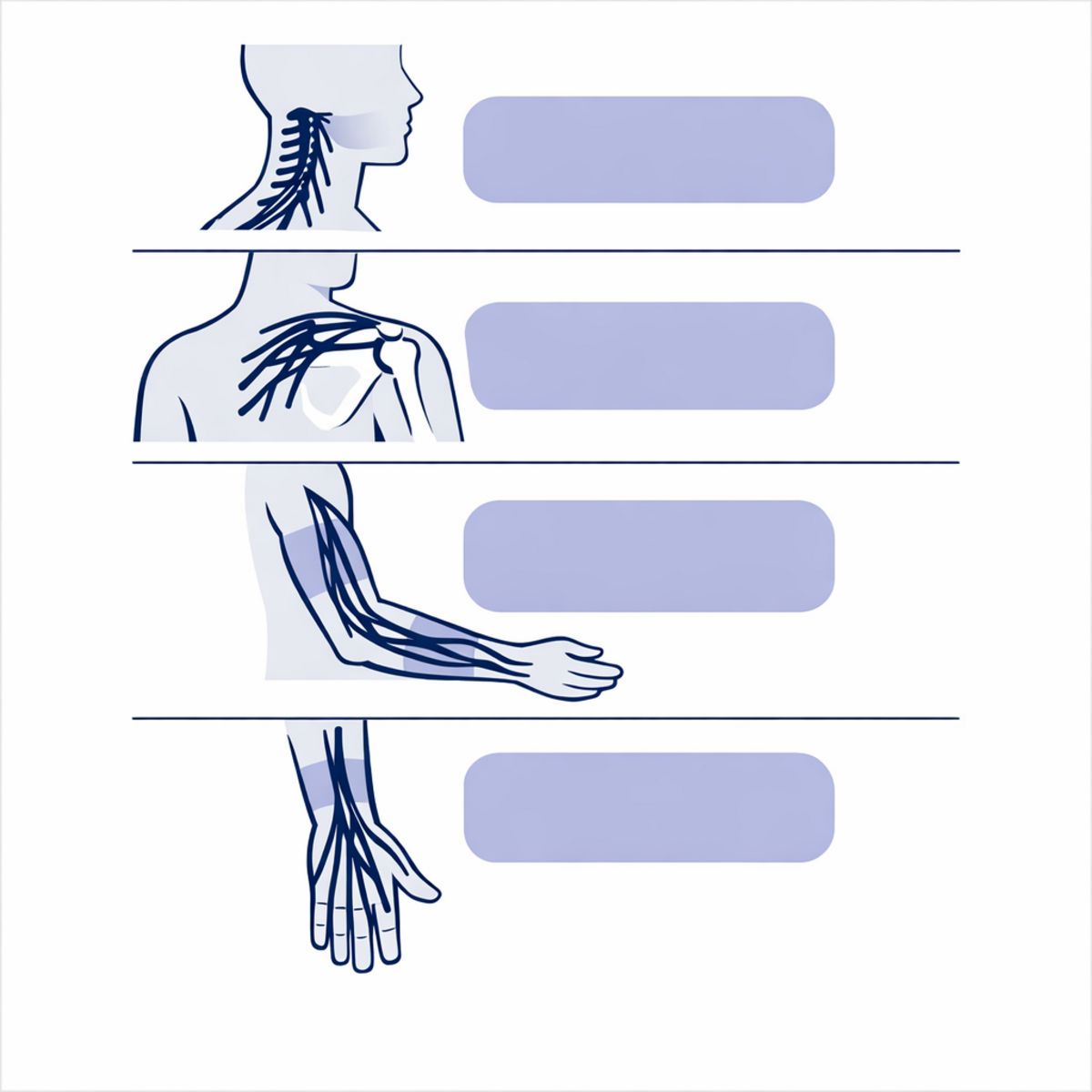
A brachial plexus injury is a nerve injury that affects the network of nerves running from the spinal cord through the neck and shoulder into the arm and hand. These nerves act like a communication system, carrying signals that help you move your shoulder, arm, wrist, and fingers and also feel touch, temperature, and pain. When that signaling pathway is disrupted, a person may notice arm weakness, numbness, pain, or trouble with everyday movement.
This kind of injury may happen when the neck and shoulder are forcefully stretched apart, when the nerves are compressed, or when direct shoulder trauma damages the area. Common situations include contact sports, falls, motor vehicle collisions, and some lifting injuries. The exact symptoms can vary widely depending on how much of the nerve network is involved.
How the injury may affect movement and feeling
Because the brachial plexus helps control both movement and sensation, disruption may affect function in practical ways. Someone might have difficulty lifting the arm, bending the elbow, gripping objects, or coordinating hand movements. Others may notice tingling, numbness, burning discomfort, or reduced ability to sense touch or temperature in part of the arm or hand. Symptoms do not always reflect the same level of injury, so treatment needs can differ from person to person.
Common causes and injury patterns
In broad terms, brachial plexus injuries are often described by how the nerves were affected: stretching, compression, or direct impact. A sudden pull between the neck and shoulder can overstretch the nerves. Swelling or pressure in the area may compress them. A hard blow or other direct trauma can also interfere with nerve signaling. While some cases are mild and temporary, others may involve more significant nerve involvement, which is why medical evaluation is important when symptoms persist or interfere with normal arm function.
Common Symptoms and Important Red Flags
A brachial plexus injury may cause a wide range of symptoms, and those symptoms do not by themselves confirm a diagnosis. Similar problems can overlap with muscle strains, shoulder injuries, pinched nerves, or fractures, which is why a timely evaluation matters.
- Burning, sharp, or shooting pain in the shoulder, arm, or hand
- Numbness or tingling that may come and go or persist
- Weakness, reduced grip strength, or trouble lifting the arm
- Limited shoulder, elbow, wrist, or hand movement
- Symptoms that start right after an injury or become more noticeable as swelling and pain increase
Mild symptoms versus signs of a more serious problem
Some people experience a brief “stinger” or “burner” that improves quickly. However, persistent numbness, ongoing weakness, worsening pain, or loss of function may indicate a more serious nerve-related injury and should be evaluated promptly. If you are unsure when urgent care makes the most sense, it helps to get assessed sooner rather than waiting for symptoms to progress.
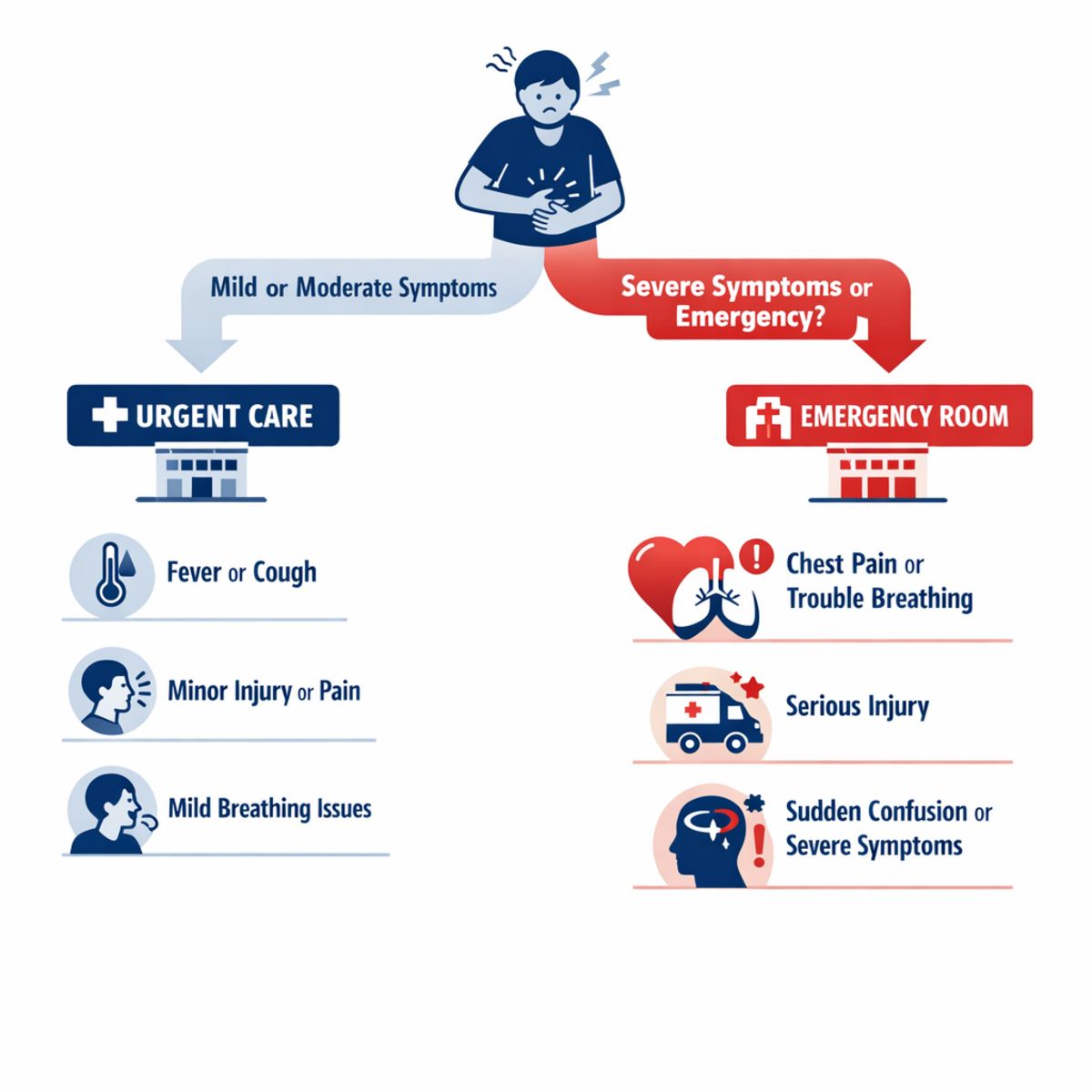
When to go to the ER instead of urgent care
Seek same-day medical evaluation for red flags such as severe trauma, an obvious deformity, inability to move the arm, rapidly worsening weakness, severe swelling, or signs of poor circulation such as a pale, cold, or blue hand.
Call 911 or go to the nearest emergency room right away for chest pain, stroke symptoms, severe trauma, difficulty breathing, or uncontrolled bleeding.

What to Do After a Suspected Brachial Plexus Injury
If you suspect a brachial plexus injury, focus on simple first aid and prompt follow-up rather than trying to push through symptoms. The goal is to avoid more strain, watch for warning signs, and get appropriate medical guidance if symptoms do not improve quickly or seem severe.
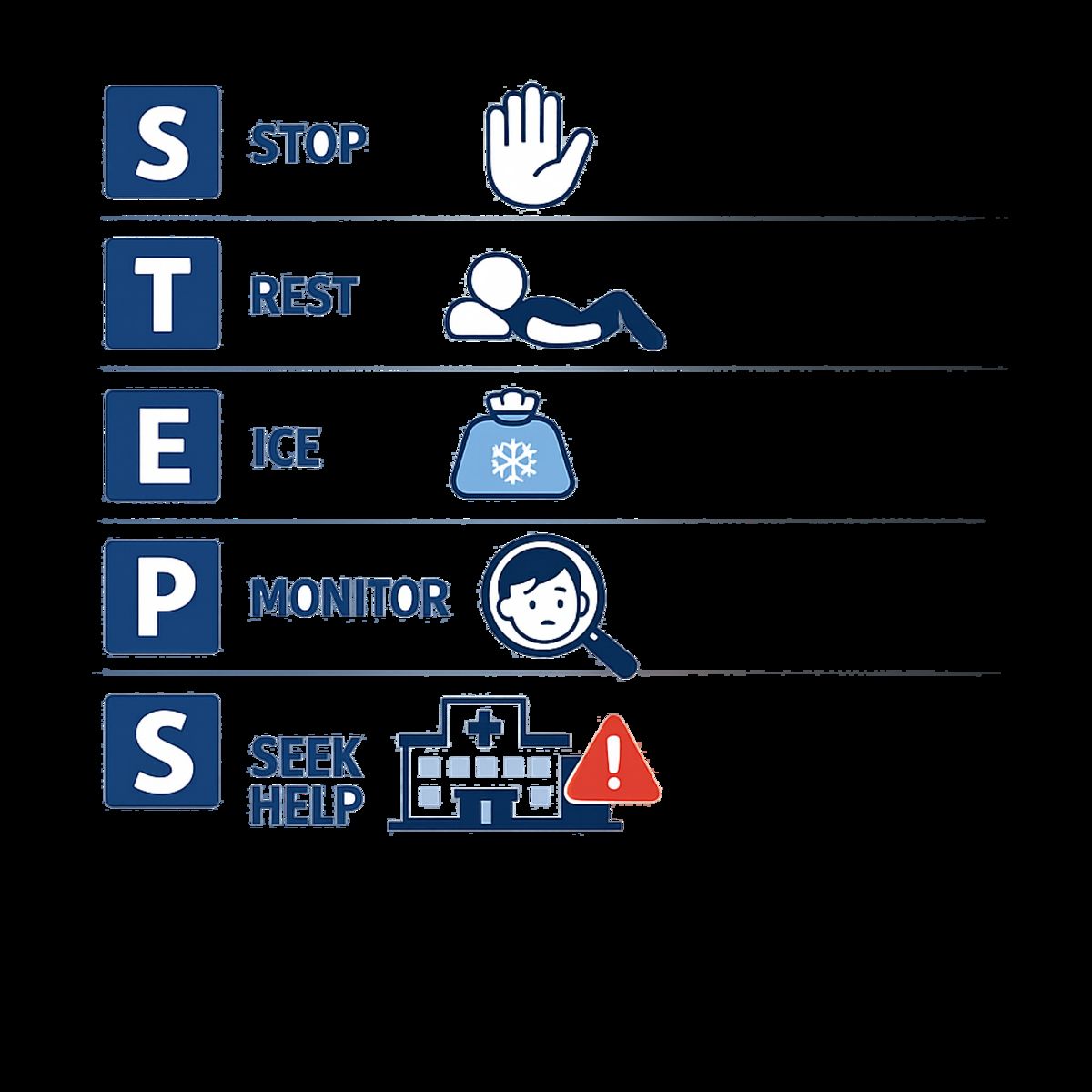
Step-by-step first aid
- Stop the activity. Do not continue sports, lifting, or repetitive arm motion if pain, tingling, numbness, or weakness started during movement.
- Rest the arm and shoulder. Avoid forceful stretching, overhead reaching, or heavy lifting until you have been evaluated or symptoms clearly settle.
- Use a cold pack if tolerated. Wrap it in cloth and apply it for short intervals to help with discomfort. Do not place ice directly on the skin.
- Monitor symptoms closely. Pay attention to worsening pain, increasing weakness, numbness, swelling, or changes in skin color or temperature.
- Seek in-person urgent care if symptoms persist or seem concerning. Telehealth visits for next-step guidance may also help determine what to do next depending on the situation.
What not to do
Do not return to play too soon, try aggressive stretching, ignore weakness, or assume symptoms will always go away on their own. These steps can further irritate the area or delay proper care.
Treatment recommendations depend on a physician evaluation and may include a physical exam, imaging, or referral for additional care. Seek emergency care right away for severe weakness, loss of movement, major swelling, significant color change, or symptoms that rapidly worsen.
How Evaluation and Treatment May Work

If you are worried about this type of injury, it may help to know that the visit usually starts with a clear conversation about what happened, when symptoms began, and whether pain, weakness, numbness, or limited movement has changed over time. This early history helps guide the rest of the evaluation and can make what to expect during a doctor exam feel more manageable.
What happens during the visit
A medical evaluation may include questions about how the injury occurred, whether symptoms started right away or later, and what movements make things better or worse. The physical exam may assess pain, range of motion, strength, reflexes, and sensation depending on the condition. In some cases, imaging such as an X-ray may be considered to check for a related bone injury, while additional testing or specialist referral may be recommended if findings suggest a more complex problem. Results vary by patient, and urgent care may help identify next steps without claiming to diagnose every nerve injury on-site.
Possible next steps after evaluation
Treatment may include rest guidance, activity modification, supportive care, follow-up instructions, or referral for advanced evaluation depending on severity and exam findings. Some injuries may overlap with shoulder strains, fractures, or other sports injuries discussed in broader injury education, such as MCL injury, LCL injury, ACL injury, hamstring injury, turf toe injury, TFCC injury, or physical therapy meniscus injury topics. Even so, symptoms should be assessed individually so care can match the specific problem rather than assumptions based on similar injuries.
Urgent Care vs. the ER for Arm and Shoulder Nerve Injuries
If you have arm or shoulder pain with tingling, numbness, mild weakness, or limited motion after a strain, overuse injury, or minor accident, urgent care may be appropriate for a same-day evaluation. A walk-in visit can be a practical option when symptoms are uncomfortable or affecting function but do not appear life-threatening. Depending on the exam, the clinic may coordinate imaging or referral if needed, and many patients use urgent care services for same-day injuries to get checked quickly.
When urgent care may be a good fit
- Pain, tingling, or numbness without major trauma
- Mild weakness or reduced range of motion
- Symptoms that started after lifting, sports, repetitive use, or a minor fall
- Injuries that need prompt evaluation but do not involve emergency warning signs
When emergency care is the safer choice
- Major trauma, severe deformity, or a possible fracture/dislocation
- Uncontrolled bleeding or an open injury
- Loss of circulation, a cold or blue hand, or sudden severe swelling
- Rapidly worsening weakness, severe pain, or new inability to move the arm
- Any emergency warning signs such as chest pain, trouble breathing, or stroke-like symptoms—call 911 or go to the nearest ER
When in doubt, choose the higher level of care. Urgent care can help with many non-life-threatening nerve-related arm and shoulder injuries, but emergency symptoms should always be treated as emergencies.
Prevention Tips and Recovery Considerations
A few simple habits may help reduce shoulder strain during sports, work, and daily activity. Focus on proper technique, use appropriate protective equipment when relevant, and increase intensity gradually rather than doing too much too soon. When lifting, pay attention to form and stop if a movement causes sharp pain.
Reducing risk during sports and daily activity
Recovery can look different from person to person and may depend on how the injury happened and how severe it is. If you are unsure whether symptoms are improving, what to expect from a physical exam may help you understand the next step. Follow-up is especially important if pain persists, gets worse, or starts to interfere with sleep, work, exercise, or everyday tasks.

Frequently Asked Questions
Can a brachial plexus injury heal on its own?
Some mild nerve-related symptoms may improve, but not all injuries are minor. If pain, weakness, numbness, or limited arm movement continues after an injury, a medical evaluation is important to determine the cause and next steps.
What does a brachial plexus injury feel like?
It can feel like burning pain, tingling, numbness, weakness, or reduced control of the shoulder, arm, or hand. Symptoms can happen after trauma, a sudden stretch, or another injury, but only an exam can identify what is causing them.
Should I go to urgent care for arm numbness after an injury?
Urgent care may be appropriate for same-day evaluation of non-life-threatening numbness, pain, or weakness after an injury. Go to the ER instead if symptoms are severe, rapidly worsening, or happen with major trauma, deformity, or circulation concerns.
When is a brachial plexus injury an emergency?
Seek emergency care right away for severe trauma, inability to move the arm, loss of pulse, a cold or pale hand, uncontrolled pain, chest pain, trouble breathing, or stroke-like symptoms. Call 911 or go to the nearest emergency room when symptoms seem urgent or dangerous.
Will I need imaging for a suspected brachial plexus injury?
Not always. Imaging may be recommended based on your symptoms, physical exam, and how the injury happened, especially if a fracture, dislocation, or other structural injury is possible.
Can Telehealth help with a suspected nerve injury?
Telehealth may help with initial guidance and deciding the right next step, depending on the situation. However, after an injury, an in-person evaluation is often important, especially when there is weakness, numbness, or reduced arm function.
When You’re Ready to Get Checked, Prime Urgent Care Can Help
If you’re dealing with non-emergency arm, shoulder, or nerve-related injury symptoms, it may be time to get evaluated. Prime Urgent Care offers urgent care services for minor injuries with walk-in convenience. Depending on the condition, Telehealth appointments for next-step guidance may also be available by appointment. Before you visit or schedule, be sure to verify your insurance acceptance.
Simple next steps
Walk in for in-clinic urgent care, or contact the team to ask whether Telehealth is appropriate for your situation.
Key Takeaways
A brachial plexus injury can affect pain, sensation, and arm function, so it is important to pay attention to symptoms after a fall, collision, or other trauma. If numbness, weakness, pain, or limited movement persists or gets worse, prompt medical evaluation is a practical next step. Early assessment can help clarify what level of care is appropriate and support safer recovery decisions.
A practical next step matters
Do not ignore ongoing arm symptoms after an injury, especially if they interfere with daily use of the shoulder, arm, or hand. If symptoms are severe, rapidly worsening, or happen with emergency warning signs, call 911 or go to the nearest emergency room right away. Otherwise, seek timely evaluation and follow-up care with a calm, informed approach.