
Yes, you may be able to get a physical at urgent care. Many clinics offer physical exams for non-emergency needs, including some school, sports, work, and routine physical exam visits, depending on the reason for the exam, the provider’s evaluation, and the clinic’s capabilities. If you are in Los Angeles, it is still important to confirm ahead of time because services, required forms, testing, and insurance acceptance can vary by location.
The short answer is that urgent care can be a practical option for certain physicals, but it is not a guarantee for every exam type. Some visits may require specific paperwork, lab work, vaccines, or follow-up with a primary care doctor or specialist. This guide explains what urgent care physicals may cover, what to bring, when urgent care may be a good fit, and when another setting may make more sense.
If you have severe symptoms such as chest pain, stroke symptoms, severe trauma, or trouble breathing, do not wait for a physical exam at urgent care. Call 911 or go to the nearest emergency room right away.
What Types of Physicals Can Urgent Care Often Handle?
An urgent care physical exam is usually a focused visit that checks whether you meet the requirements for a specific activity, form, or general wellness need. In many cases, clinics can help with physical exam services in Los Angeles for school, camp, sports, and employment paperwork, while also offering some routine adult physical exam visits. The main difference is that urgent care often handles immediate, practical exam needs, while a primary care visit may be better for ongoing prevention, chronic condition management, and long-term screening plans.
School, sports, and work physicals
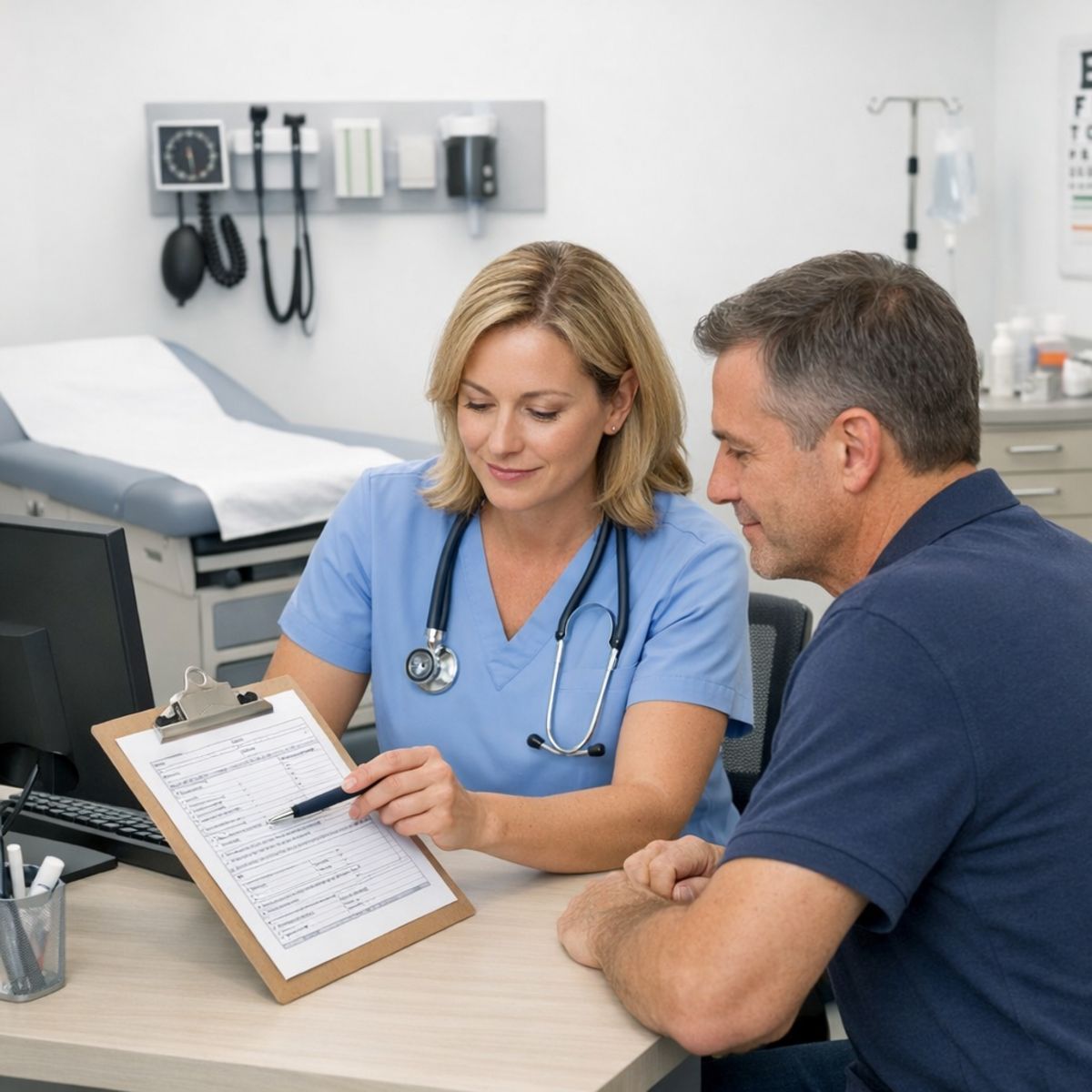
Form-based physicals are some of the most common urgent care visits. These may include school physicals, camp physicals, pre-employment exams, and an urgent care sports physical for school athletics. During these visits, a provider may review your medical history, vital signs, vision, general fitness, and any form requirements. It helps to bring all paperwork, medication lists, and any instructions from the school, employer, or program. Some forms may also require immunization records, lab work, or clearance that needs follow-up with a primary care provider or specialist.
Routine adult physicals
Some walk-in clinics also see patients for routine physical exam visits, including men physical exams as one example of adult preventive care needs. However, what is covered can vary based on age, health history, symptoms, and recommended screenings. Urgent care may address general wellness concerns and basic exam needs, but it should not be assumed that every preventive screening, lab, or long-term care discussion is completed in one visit. For more comprehensive preventive care, patients may still need a dedicated primary care appointment.
Why Patients Choose Urgent Care for Physical Exams
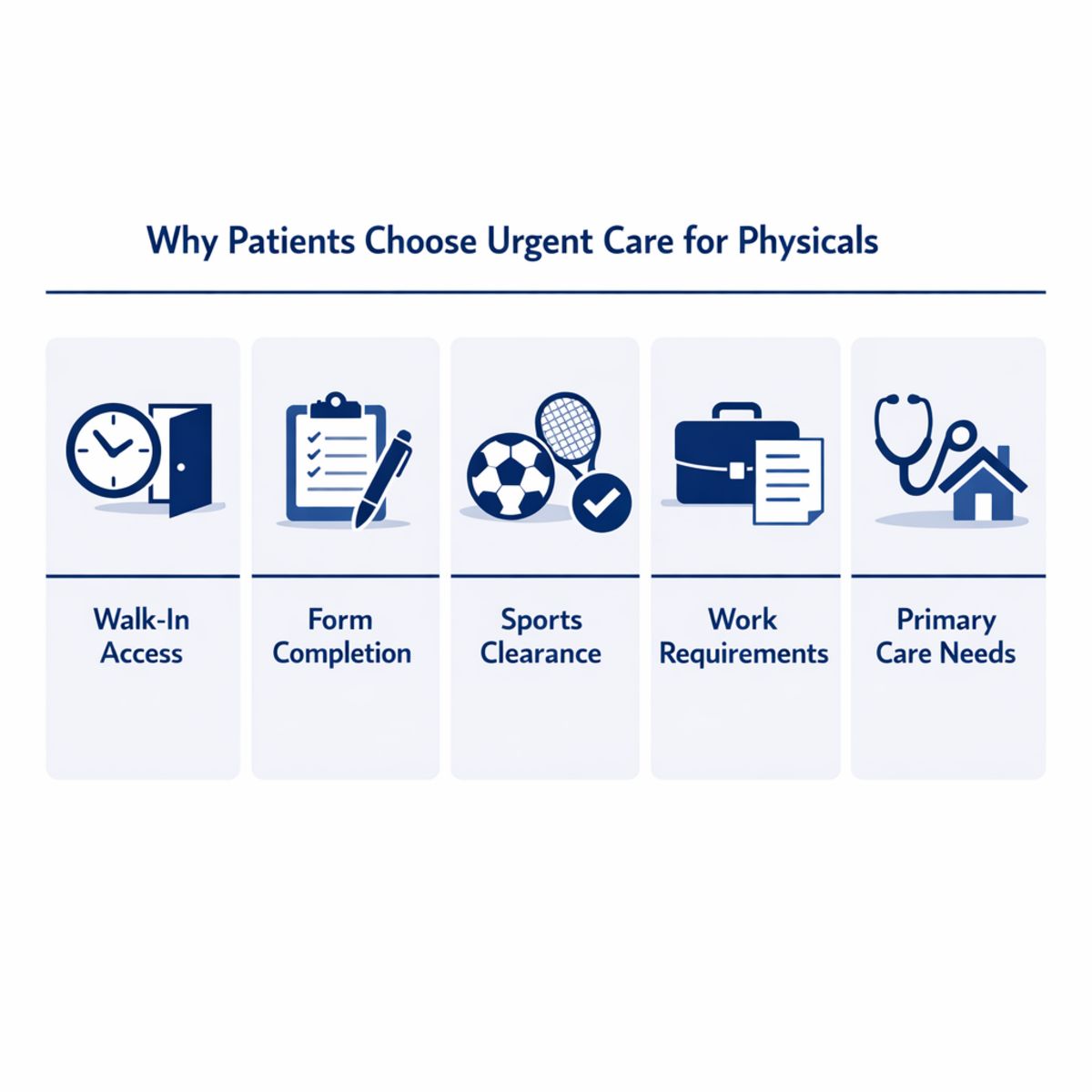
For many people in Los Angeles, urgent care can be a practical choice for walk-in physical exams when timing matters. Families juggling school forms, students preparing for sports, and workers handling job-related requirements may prefer an in-clinic option that fits into a busy day. In many cases, same-day access may be available, but appointments and wait times are not guaranteed.
Another reason patients choose urgent care is that the visit stays focused on hands-on, in-person evaluation. A physical exam often requires direct assessment, form review, and provider judgment, which is why telehealth is not a substitute for this type of care. Patients looking for urgent care services available at Prime may find this setting helpful for straightforward exam needs.
A practical option for busy schedules
Urgent care may help when deadlines come up quickly, such as school enrollment, sports clearance, or employer paperwork. Instead of waiting days or weeks for a traditional office visit, some patients choose a clinic that can potentially see them sooner. That flexibility can be especially useful for local households trying to keep up with packed schedules.
Convenience with realistic expectations
Convenience does not mean every physical is appropriate for urgent care. Services depend on the type of exam needed, provider evaluation, and clinic resources at the time of the visit. Insurance acceptance also varies, so it is smart to confirm coverage in advance when possible. For patients wondering about what to expect from urgent care, setting realistic expectations helps build trust and supports a smoother visit.
Urgent Care vs. Primary Care for a Physical
Choosing between urgent care and primary care for a physical depends on what you need from the visit. In many cases, urgent care can help with immediate, form-based, or straightforward exam needs, while a primary care office is often the better setting for long-term preventive planning and follow-up. If you are looking for an urgent care physical exam, it may be available for school, sports, work, or other general clearance purposes, but the right option depends on your health history, current symptoms, and the type of documentation required.
When urgent care may be a good fit
Urgent care may be a practical choice when you need a timely visit for a sports physical, school requirement, work clearance, camp form, or a basic wellness check. It can also be helpful if you do not have an established primary care provider or cannot get a prompt appointment. If you have active symptoms, the clinician may need to evaluate those concerns first, and any treatment or clearance decision will depend on the condition and physician assessment.
When primary care may be better
Primary care is often the better fit for ongoing preventive care, chronic condition follow-up, and age-based screening plans. A primary care provider can track changes over time, manage blood pressure, diabetes, or other long-term concerns, and help coordinate recommended screenings and referrals. That continuity can be especially valuable if your physical is part of a broader health plan rather than a one-time form requirement. If you are unsure what level of care you need, telehealth visits for medical guidance may help you decide. For severe chest pain, trouble breathing, signs of stroke, or other emergencies, call 911 or go to the nearest emergency room.
How to Prepare for a Physical at Urgent Care
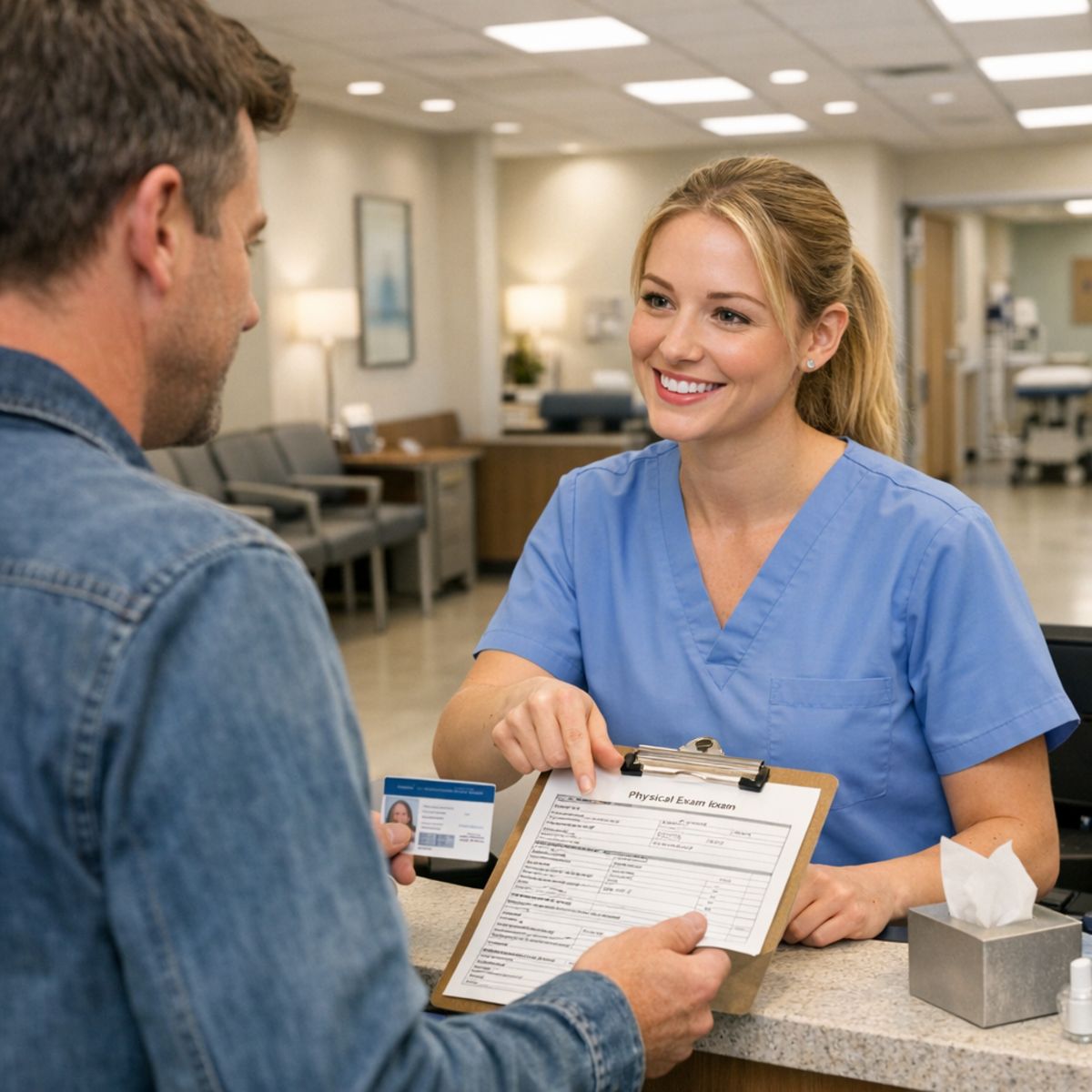
Preparing ahead of time can make your physical appointment faster, smoother, and less stressful. Whether you need paperwork for school, sports, work, or a routine check, a little planning helps you get more out of walk-in physical exams and reduces surprises at check-in.
If you are comparing walk-in physical exam options in Los Angeles, use this simple checklist before you go.
1. Confirm the type of physical you need
Start by confirming exactly which exam is required. Sports, school, employment, and routine wellness physicals may each have different forms, screening expectations, or documentation rules. If a school, employer, or program gave you paperwork, review it before your visit so you know what must be completed.
If you are unsure whether a certain form or exam can be completed during your visit, call ahead. That can help you understand whether additional records, testing, or follow-up may be needed based on the form and the clinician’s evaluation.
2. Bring forms, records, and identification
Use this practical checklist before leaving for your physical appointment:
- Bring the required school, sports, camp, or employer forms.
- Bring a photo ID.
- Bring your insurance card if applicable, and verify accepted insurance in advance.
- Bring a current medication list, including doses if you know them.
- Bring immunization records if they are relevant to the form or program requirements.
- Arrive ready for routine in-clinic steps such as vision screening, vital signs, and other basic screening measures.
Having these items ready can help avoid delays and make it easier for the provider to review your needs efficiently.
3. Be ready for possible follow-up
Some physicals are straightforward, but others may lead to follow-up recommendations depending on your history, exam findings, or form requirements. In some cases, additional testing, updated records, or referral-based care may be appropriate before all documentation can be finalized. It is best not to assume every form can be completed the same day.
Telehealth appointments may be available for some health concerns, but a physical exam itself is performed in clinic. Planning for that distinction can help you choose the right visit type and avoid unnecessary back-and-forth.
A little preparation goes a long way. When you arrive with the right documents and realistic expectations, your visit is more likely to be efficient and useful.
Cost, Insurance, and Other Practical Questions
Costs can vary based on the type of visit, the reason for the exam, any required paperwork, and whether additional testing is needed after evaluation. Because pricing depends on those details, it is best to confirm current rates directly before your visit rather than relying on general estimates.
What can affect the total cost
The total cost may be influenced by the visit type, the complexity of the evaluation, and any forms or documentation that need to be completed. If a clinician recommends added services such as labs, imaging, or x-ray diagnostic services if needed, that may also affect the final amount.
Why it helps to verify insurance first
Insurance acceptance and out-of-pocket responsibility can vary by plan and service. Before visiting or scheduling a telehealth appointment, it is a good idea to verify coverage, confirm whether the location is in network, and ask if any specific documents are required. Taking a few minutes to check ahead can help avoid surprises and make the visit smoother.
When Urgent Care May Not Be the Right Choice
Urgent care can be a practical option for many time-sensitive health concerns, but it may not be the best fit for every situation. In general, highly specialized evaluations, complex ongoing conditions, and preventive care that benefits from long-term follow-up may be better handled by a primary care provider or an appropriate specialist. If you are looking for physical exam care at Prime Urgent Care, it can still help to confirm whether urgent care is the right setting for your needs.
Complex or ongoing care needs
When care requires continuity, detailed history, referrals, or long-term monitoring, a primary care clinician may be better positioned to guide next steps. This is especially true when concerns are broad, recurring, or require coordinated follow-up over time. If you are unsure whether symptoms should be evaluated before a physical, an in-person or telehealth assessment may help you decide what type of visit makes the most sense.
Know when to seek emergency care
Urgent care is not for life-threatening emergencies. Chest pain, stroke symptoms, severe trauma, and difficulty breathing require calling 911 or going to the nearest emergency room right away. If you are uncertain, it is generally safest to seek immediate medical guidance rather than delay care.

Frequently Asked Questions
Can I get a walk-in physical exam at urgent care?
Many urgent care clinics may offer walk-in physical exams. Availability can depend on the type of physical, clinic operations, and whether a provider determines the visit can be completed there.
What should I bring to a physical at urgent care?
Bring a photo ID, insurance card if applicable, and any required forms. It can also help to bring a medication list and immunization records when the exam type calls for them.
Does urgent care do sports physicals?
Sports physicals are commonly offered at urgent care clinics. Still, schools, camps, and leagues may have specific forms or requirements, so it is wise to bring all paperwork with you.
Can urgent care do a routine physical exam?
Some routine physical exam needs may be addressed at urgent care. However, preventive screenings, chronic condition management, and ongoing follow-up are often better handled through primary care.
Should I make a physical appointment or walk in?
Urgent care often focuses on walk-in convenience, but policies can vary by location. Calling ahead may help confirm the type of exam offered and what forms or documents you should bring.
Need a Physical Exam in Los Angeles?
If you need an in-clinic physical exam in Los Angeles, Prime Urgent Care is here to help. Walk in or reach out to ask about physical exam availability, accepted insurance, and any forms you may need to bring before your visit.
For the smoothest experience, contact the clinic ahead of time to confirm paperwork requirements and coverage details for your visit.
Final Thoughts
For many people in Los Angeles, urgent care can be a convenient option for certain physical exam needs. The most important detail is that the exact exam depends on why you need it, whether forms are required, and what the provider determines during your visit.
A simple way to make the process easier is to prepare ahead of time: bring any required paperwork, identification, and details about the purpose of the exam. Checking requirements before you go can help you choose the right care setting and avoid delays.
If your situation is routine, urgent care may be a practical choice. If symptoms are severe or feel like an emergency, seek emergency care right away. With the right preparation, you can feel more confident about getting the exam you need safely and efficiently.