

Ambulatory care refers to medical care provided without a hospital stay. In plain language, it includes outpatient visits that happen the same day, whether they are scheduled in advance or needed for a more immediate concern. Many people encounter ambulatory care through routine checkups, follow-up appointments, testing, preventive services, and walk-in evaluations for non-emergency issues.
Urgent care is one type of ambulatory care. It may be appropriate for many non-life-threatening concerns when you want timely attention outside of a hospital setting. This guide explains what ambulatory care means, what services it may include, and how urgent care compares with other care options, so readers can better understand the setting before a visit.
For safety, severe symptoms such as chest pain, stroke symptoms, severe trauma, or difficulty breathing require calling 911 or going to the nearest emergency room. This article is intended to provide general educational information and does not diagnose conditions or replace emergency care.
What This Guide Covers
Below, you’ll find a clear overview of what ambulatory care is, which services may fall under it, how urgent care fits alongside other healthcare settings, and a few practical points patients may want to consider before seeking outpatient care.
What Is Ambulatory Care?
Ambulatory care is medical care provided on an outpatient basis, which means patients receive evaluation, treatment, testing, monitoring, or follow-up without being admitted to a hospital. In simple terms, ambulatory care covers healthcare visits where you come in for care and go home the same day. Depending on the condition, an ambulatory care center may provide everything from routine checkups to same-day illness or injury care, and proper evaluation may come from an in-person or Telehealth visit when appropriate.
This type of care is designed for health concerns that do not require an overnight hospital stay. Services vary by provider and patient needs, but ambulatory care often includes diagnosis, treatment planning, lab work, imaging, preventive care, and follow-up visits. Many people use urgent care services for same-day needs as one example of ambulatory care when they need prompt attention outside of the emergency room.
Outpatient vs. Inpatient Care
The main difference is whether hospital admission is required. Outpatient, or ambulatory, care does not involve staying in the hospital overnight. Inpatient care involves admission for ongoing monitoring, recovery, or treatment that cannot be safely managed in a same-day setting. This distinction helps patients understand why many common health needs can be addressed efficiently in outpatient environments.
Common Ambulatory Care Settings
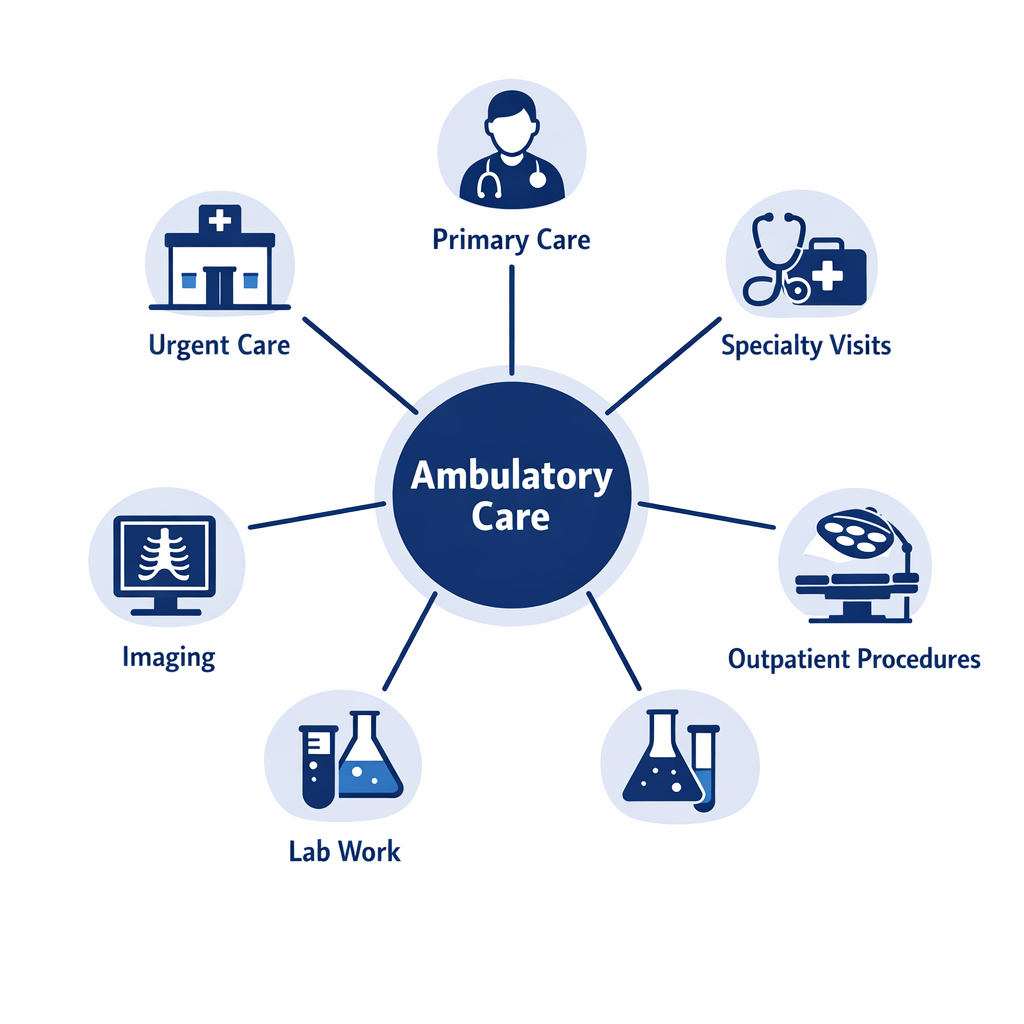
Common ambulatory care settings may include urgent care clinics, primary care offices, specialty clinics, outpatient testing centers, imaging locations, and same-day procedure centers. Depending on the provider, these settings may offer care for new symptoms, chronic condition follow-up, preventive services, minor procedures, and diagnostic testing, all without hospital admission.
Why Ambulatory Care Matters for Patients
For many non-emergency health concerns, ambulatory care offers a practical way to get evaluated and treated without the added disruption of a hospital admission. Patients often choose outpatient settings when they want timely attention for routine or time-sensitive issues and hope to return to normal activities as soon as possible. In many cases, care is delivered in a single visit, allowing patients to go home the same day.
This model can be especially helpful when scheduling with a primary care office is difficult or when symptoms arise outside regular office hours. Urgent care walk-ins may provide a useful option in those situations, giving patients another path to speak with urgent care providers for evaluation and next steps. For a broader look at the benefits of choosing urgent care, patients can explore additional guidance.
Convenience Without Hospital Admission
One of the biggest advantages of ambulatory care is convenience. Many outpatient visits are designed to address concerns efficiently, with registration, evaluation, and follow-up instructions handled in one setting. That can mean less interruption to work, school, caregiving, and other daily responsibilities compared with care settings that involve longer stays.
Cost Awareness and Practical Planning
Cost is also an important part of decision-making, but it should be approached carefully. The total cost of urgent care depends on the clinic, the services provided, any testing or imaging ordered, and a patient’s insurance coverage or self-pay status. Because charges and coverage vary, it is wise to confirm accepted insurance plans and ask about visit-related fees in advance when possible.

What Services May Be Included in Ambulatory Care
Ambulatory care is a broad term for medical services provided without a hospital admission. Depending on the clinic, it may include preventive care, evaluation of new symptoms, testing, treatment planning, and follow-up. In many cases, professional urgent care services are part of this outpatient landscape, but not every ambulatory care center offers the same services, hours, or equipment.
For example, some urgent care clinics may assess non-emergency illnesses and minor injuries, while other outpatient locations may focus more on scheduled visits or specialty care. Services are typically based on the patient’s symptoms, the provider’s evaluation, and what the specific clinic is equipped to provide.
Evaluation and Treatment Services
- Illness evaluation for common non-emergency concerns, with treatment recommendations based on clinical assessment
- Minor injury assessment, such as sprains, strains, or small cuts that may need medical review
- Routine and preventive visits, including physical exams in an outpatient setting
- Evaluation of seasonal or short-term symptoms, which may include discussion of flu and cold treatment options when appropriate
- Telehealth consultations by appointment for certain concerns, when available and clinically appropriate
Testing, Imaging, and Follow-Up
- On-site or coordinated lab testing, depending on the clinic
- Diagnostic imaging such as x-rays, when available in that location
- Follow-up visits to monitor recovery or review next steps
- Referrals to specialists or higher levels of care if a concern needs additional evaluation
- Care planning that may differ from one outpatient center to another based on staffing, equipment, and patient needs
The key point is that ambulatory care can cover a wide range of services, but availability and treatment decisions always depend on the clinic and the provider’s evaluation. That cautious, case-by-case approach helps connect patients with the most appropriate outpatient care for their situation.
Ambulatory Care vs. Urgent Care vs. ER vs. Primary Care

How Urgent Care Fits Into Ambulatory Care
Ambulatory care is the broad term for medical services provided without a hospital admission. That means urgent care is one type of ambulatory care, not a separate category outside it. Other ambulatory care settings can include primary care offices, specialist clinics, imaging centers, and outpatient surgery centers. Within that larger group, urgent care clinics are designed to help with many non-emergency concerns that need prompt attention, often on the same day.
If you are comparing options, think of urgent care as a practical middle ground between a scheduled primary care visit and the emergency room. Many patients use urgent care services for non-emergency care when they want timely evaluation for illnesses or minor injuries that should not wait for a routine appointment but do not appear life-threatening.
When to Choose ER, Primary Care, or Urgent Care
Primary care: Usually best for preventive care, chronic condition management, medication follow-ups, and concerns where continuity of care matters most. It is often the right choice when your issue can wait for a scheduled appointment.
Urgent care: Often appropriate for non-emergency problems that need faster attention than a routine office visit. Urgent care providers commonly evaluate issues such as minor infections, mild to moderate symptoms, or small injuries when same-day access is helpful.
Emergency room: The ER is for severe or life-threatening situations. Chest pain, trouble breathing, signs of stroke, major trauma, severe bleeding, seizures, or loss of consciousness require emergency care. If you think someone may be experiencing a medical emergency, call 911 or go to the ER immediately.
Other ambulatory settings: Specialist offices and outpatient surgery centers also fall under ambulatory care, but they serve different needs than urgent care clinics. In short, ambulatory care is the umbrella term, while urgent care is one specific outpatient option within it.
What Patients Should Know About Ambulatory and Urgent Care Costs
Urgent care cost can vary from one visit to the next, so it helps to know what may influence the final bill before you arrive. In general, pricing depends on the reason for the visit, how complex the evaluation is, and whether additional services are needed during care.
Main Factors That Affect Cost
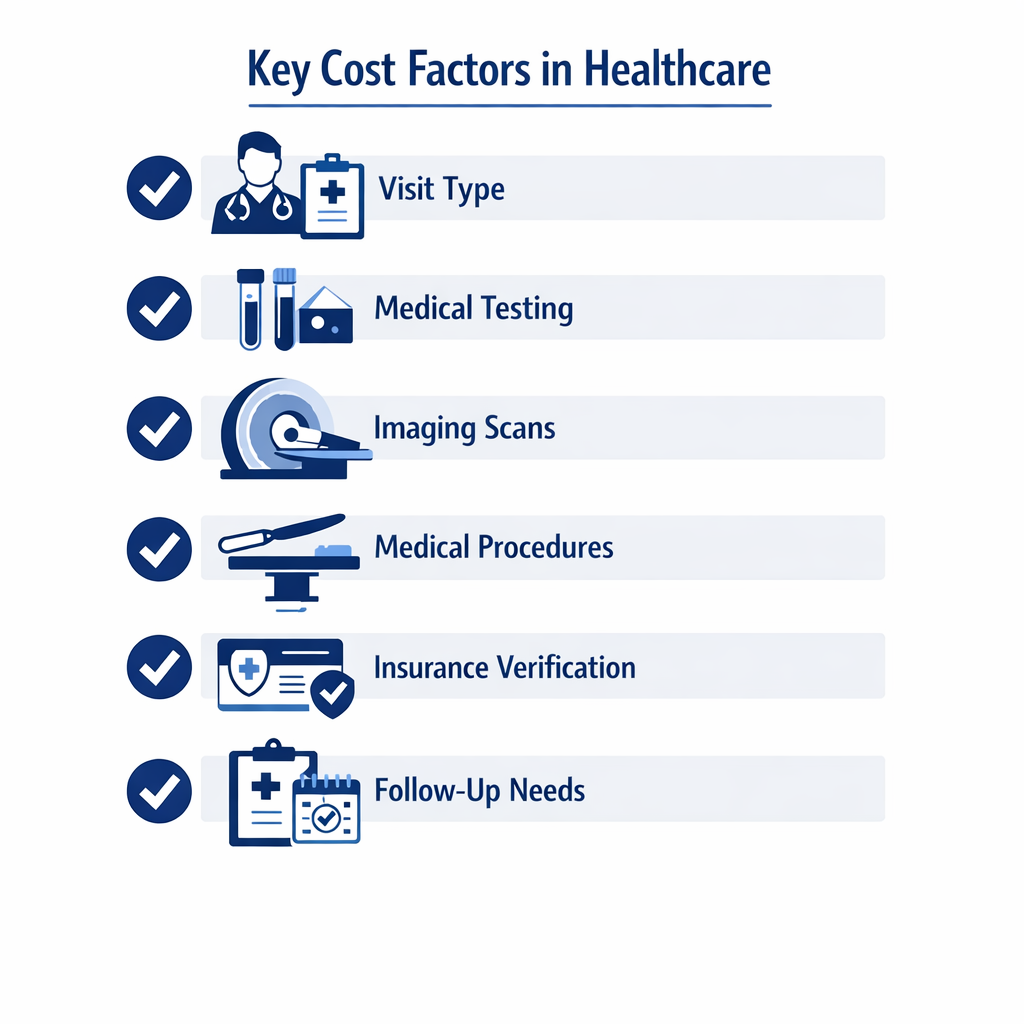
Common factors include:
- The type of illness, injury, or symptoms being evaluated
- The provider’s assessment and the level of care required
- Lab tests, imaging, or diagnostic screening
- Procedures such as wound care, splinting, or other in-office treatment
- Medications given during the visit or prescribed afterward
- Your insurance status, network participation, copay, deductible, and other plan details
Insurance acceptance can differ by clinic and plan, so patients should verify coverage before visiting or scheduling a Telehealth appointment. Self-pay policies also vary, which is why it is best not to assume a standard rate. If you want a practical overview of what affects urgent care cost, reviewing clinic-specific guidance can help you prepare the right questions.
A good next step is to confirm whether testing, imaging, or follow-up care may be recommended and ask how billing is typically handled. That can help set realistic expectations without relying on estimated prices that may not apply to your visit.
How to Decide if Urgent Care May Be the Right Ambulatory Care Option
A Simple 5-Step Decision Checklist
- Consider severity first. If symptoms feel severe, sudden, or include emergency warning signs, seek emergency care right away rather than urgent care.
- Ask whether it needs prompt attention. If the issue is not an emergency but should be evaluated soon, urgent care may be a practical option.
- Review available services. Check whether the clinic offers exams, x-rays, testing, or other urgent care services and what to expect for your situation.
- Confirm costs and coverage. Verify insurance acceptance or ask about self-pay options before you go, if possible.
- Call ahead or use Telehealth when appropriate. A clinic may help you understand next steps, including whether in-person evaluation makes sense. If you think it could be an emergency, do not delay emergency care.
Common Examples of Ambulatory Care Services
Examples Patients Often See in Outpatient Care
An ambulatory care center may provide a range of outpatient services depending on the clinic, staffing, and equipment available. Common examples include routine physical exams, visits for minor illness concerns, minor injury assessment, x-rays, lab testing, follow-up care, and specialist referrals when needed.
- Physical exams and general wellness visits
- Minor illness visits
- Minor injury evaluation
- On-site x-rays at some urgent care locations
- Basic lab testing
- Follow-up care and referrals
Availability varies by patient needs and by location, so urgent care locations may differ in what they can do on-site. For example, some patients look for urgent care physical exam options as part of outpatient care. A provider evaluation helps determine the most appropriate next step.

Frequently Asked Questions About Ambulatory Care
Quick Answers to Common Questions
What does ambulatory care mean?
Ambulatory care is medical care you receive without being admitted to a hospital. It includes outpatient visits, evaluation, treatment, and follow-up care.
Is urgent care considered ambulatory care?
Yes. Urgent care is one type of ambulatory care because patients are treated on an outpatient basis and usually go home the same day.
What services can an ambulatory care center provide?
Services may include exams, treatment for minor illnesses or injuries, diagnostic testing, vaccinations, screenings, and follow-up visits. Specific services vary by location and provider.
Do ambulatory care visits always require an appointment?
No. Some ambulatory care settings use scheduled appointments, while others, such as many urgent care centers, may accept walk-ins.
How much does urgent care cost?
Costs vary based on the visit type, services provided, testing, and insurance coverage. Many patients find urgent care costs less than an emergency room visit for non-life-threatening concerns, but you should confirm pricing with the facility and your health plan.
When should I go to the ER instead of urgent care?
Go to the ER or call 911 for severe chest pain, trouble breathing, signs of stroke, major head injury, heavy bleeding, seizures, or other life-threatening symptoms. Urgent care is generally more appropriate for non-emergency conditions that still need prompt attention.
When You Need Non-Emergency Care, Prime Urgent Care Is Here to Help
If you need care for a non-emergency concern, Prime Urgent Care is here to help you take the next step with confidence. You can review available urgent care services, visit for in-clinic walk-in care, or ask about Telehealth consultations by appointment. If you have questions about symptoms, scheduling, or what to expect, our team can help you understand your options. We also encourage you to verify insurance acceptance before your visit.
Reach out today to ask questions, request an appointment, or confirm the best next step for your non-emergency care needs.
Key Takeaways on Ambulatory Care
Ambulatory care simply means outpatient medical care that does not require a hospital admission. It includes a wide range of services, and urgent care is one outpatient option that may be helpful for many non-emergency concerns, depending on the condition and the provider’s evaluation.
A Simple Way to Remember It
Think of ambulatory care as care you receive and then go home from the same day. Urgent care fits within that broader outpatient category for many prompt, non-life-threatening needs. If symptoms seem severe, sudden, or life-threatening, call 911 or go to the nearest emergency room for immediate evaluation.