

Can adults carry croup? Yes, but with an important distinction. Adults can carry and spread the viruses commonly associated with croup, even when their own symptoms are mild. Croup usually refers to a viral illness that affects the upper airway and is much more common in children than in adults. While adults may occasionally develop similar upper airway symptoms, classic croup is far less typical later in life.
Most cases linked to croup-related viruses improve with time and supportive care, but it is still important to pay attention to symptoms that worsen, linger, or feel more severe than expected. A healthcare professional can help determine whether symptoms may be related to a viral infection, irritation, or another cause that needs treatment.
If someone has severe breathing trouble, noisy breathing that is getting worse, blue lips, or signs of a medical emergency, call 911 or go to the nearest emergency room right away. In the sections below, you’ll learn how croup-related viruses can affect adults, what symptoms may overlap, and when to seek medical evaluation.
What Croup Is and Why It Usually Affects Children
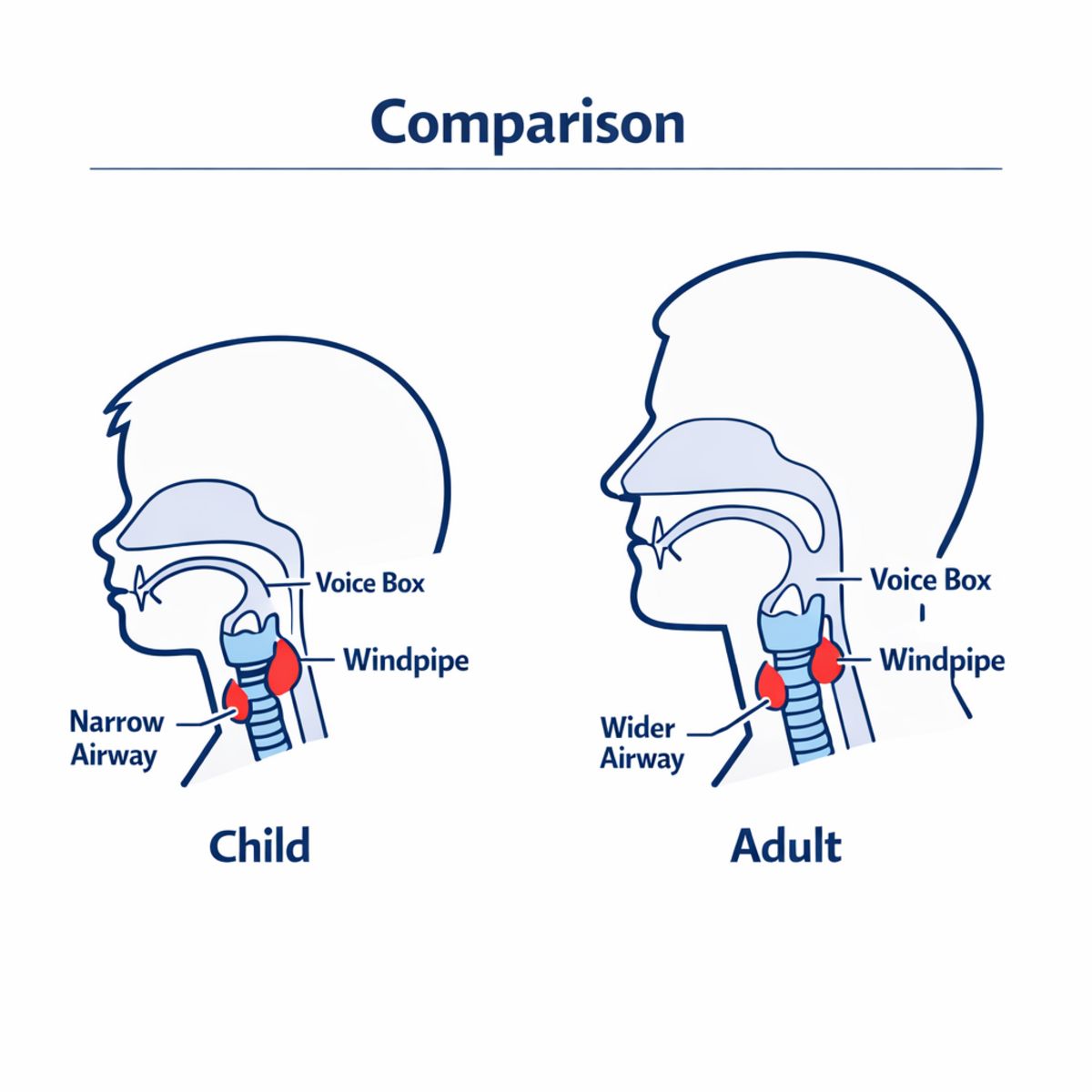
Croup is a condition that causes inflammation around the voice box and windpipe, usually after a viral infection. When this upper airway becomes irritated and swollen, it can lead to a hoarse voice, a harsh croup cough, and sometimes noisy breathing. In children, those symptoms are often more dramatic because even a small amount of swelling can narrow the airway enough to change how air moves through it.
How croup affects the upper airway
The voice box, also called the larynx, sits at the top of the windpipe, or trachea. If the tissues in that area swell, airflow can become turbulent. That is what gives croup its classic barking sound and can also cause hoarseness. Because many viruses that cause flu and cold treatment at Prime Urgent Care concerns can irritate the same area, early symptoms may look like ordinary signs of a cold before the cough changes.
Why children get classic croup more often
Children are more likely to have the classic barking cough and noisy breathing because their airways are much smaller to begin with. Think of it like swelling inside a narrow straw versus a wide tube: the same amount of swelling causes a bigger blockage in the smaller space. Adults can still get the same viral infection, but their larger airways usually make symptoms milder. Instead of obvious croup, adults may notice hoarseness, throat irritation, or cough that resembles other respiratory illnesses. That makes adult cases less common, but not impossible.
Can Adults Carry or Spread Croup?
Yes. Adults can carry and spread the viruses that often cause croup, even if they do not develop classic croup themselves. Croup is usually linked to viral infections such as parainfluenza, along with other common respiratory viruses. In adults, these infections may look more like a mild cold, sore throat, or cough rather than the barking cough and noisy breathing more often seen in young children.
Carrying the virus vs having croup
When people ask whether adults can “carry” croup, what they usually mean is whether adults can carry the virus that causes it. The answer is often yes. An adult may be infected, have mild symptoms, or sometimes feel only slightly unwell, and still pass that viral infection to a child or another adult. That is different from actually having croup, which is the airway swelling and symptom pattern more commonly diagnosed in children.
How the virus may spread
These viruses may spread through respiratory droplets from coughing, sneezing, or close face-to-face contact. They may also spread when someone touches shared surfaces and then touches their nose, mouth, or eyes. Because adults often have milder symptoms, it can be easy to underestimate how contagious a viral infection may be during everyday family, school, or work interactions.
Practical prevention steps include washing hands well, covering coughs and sneezes, cleaning commonly touched surfaces, and staying home when sick when possible. If symptoms are worsening or you need evaluation for a cough, sore throat, or other viral concerns, urgent care services for respiratory symptoms may help determine next steps.

Symptoms in Adults: Croup or Something Else?
Adults can sometimes notice symptoms that seem similar to croup, especially during a viral upper respiratory illness, but symptoms alone do not confirm a specific diagnosis. Hoarseness, a harsh or barking cough, sore throat, congestion, mild fever, and even noisy breathing can all happen when the throat or upper airway is irritated. Because several respiratory and throat conditions share these features, self-diagnosis can be unreliable.
Possible symptoms adults may notice
Some adults describe a rough cough, a strained or hoarse voice, throat discomfort, and a feeling of swelling or tightness in the upper airway. Others may also have common viral symptoms such as runny nose, fatigue, low-grade fever, or congestion. If coughing becomes painful, it may help to review chest pain when coughing warning signs. Even so, no single symptom proves one illness over another.
How symptoms can overlap with other illnesses
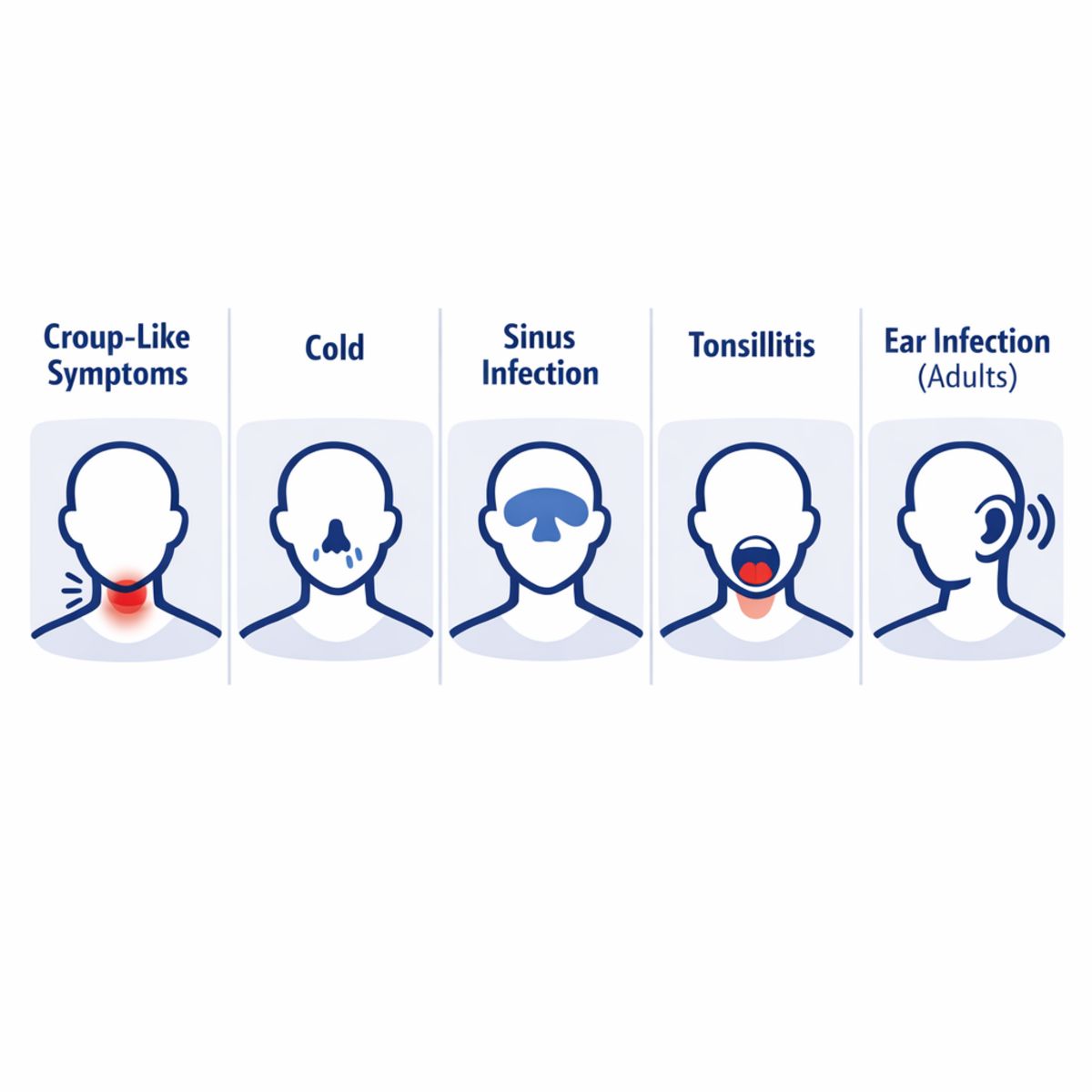
Comparison can be helpful, but it has limits. Signs of a cold often include sneezing, congestion, cough, and sore throat. In a sinus infection vs cold comparison, sinus pressure, facial pain, thicker nasal drainage, and symptoms that last longer or worsen after initial improvement may raise more concern for sinus involvement. Throat-focused illness may bring swollen tonsils, fever, and painful swallowing, leading people to search for tonsillitis treatment or how to cure tonsillitis, but proper treatment depends on the cause.
Ear symptoms can add more confusion. Symptoms of an ear infection for adults may include ear pain, pressure, muffled hearing, or drainage, and ear infections signs in adults can appear alongside congestion or sore throat. Because cold, sinus, throat, and ear-related conditions can overlap with croup-like symptoms, persistent, worsening, or unclear symptoms are a good reason to seek an in-person or Telehealth evaluation for a more accurate assessment.
When to Seek Medical Care for Cough, Hoarseness, or Breathing Concerns

Cough, hoarseness, and breathing-related symptoms can range from mild irritation to signs that may need prompt medical attention. Depending on the condition and a physician evaluation, urgent care may help assess many non-emergency respiratory complaints, including symptoms that are lingering, worsening, or making it harder to stay hydrated and comfortable. In some cases, patients also look for walk-in flu and cold treatment options when symptoms suggest a common viral illness but still need same-day review.
When urgent care may be appropriate
Urgent care may be appropriate for a persistent cough, worsening hoarseness, fever, dehydration concerns, painful swallowing, or symptoms that are not improving as expected. It may also be reasonable to seek evaluation for throat discomfort, congestion, mild wheezing, or respiratory symptoms that interfere with sleep, work, or normal daily activity but are not severe. The right next step depends on the condition, symptom severity, medical history, and what a clinician finds during the exam.
When to go to the ER or call 911
Severe difficulty breathing is an emergency. Call 911 or go to the nearest emergency room right away for blue lips, chest pain, stroke symptoms, severe trauma, or any sudden worsening that feels life-threatening. Emergency care is also necessary if someone cannot speak in full sentences because of breathing trouble, appears confused, or shows signs of severe distress. If you are unsure, it is safest to treat serious breathing concerns as an emergency rather than waiting for urgent care.
How to Reduce Spread and Support Recovery
If you have a cough or other signs of illness, simple prevention habits and supportive self-care may help reduce spread and improve comfort. The right treatment depends on the cause, and results vary from person to person, so physician evaluation still matters when symptoms persist, worsen, or do not fit a mild illness pattern.
1. Limit the chance of spreading illness
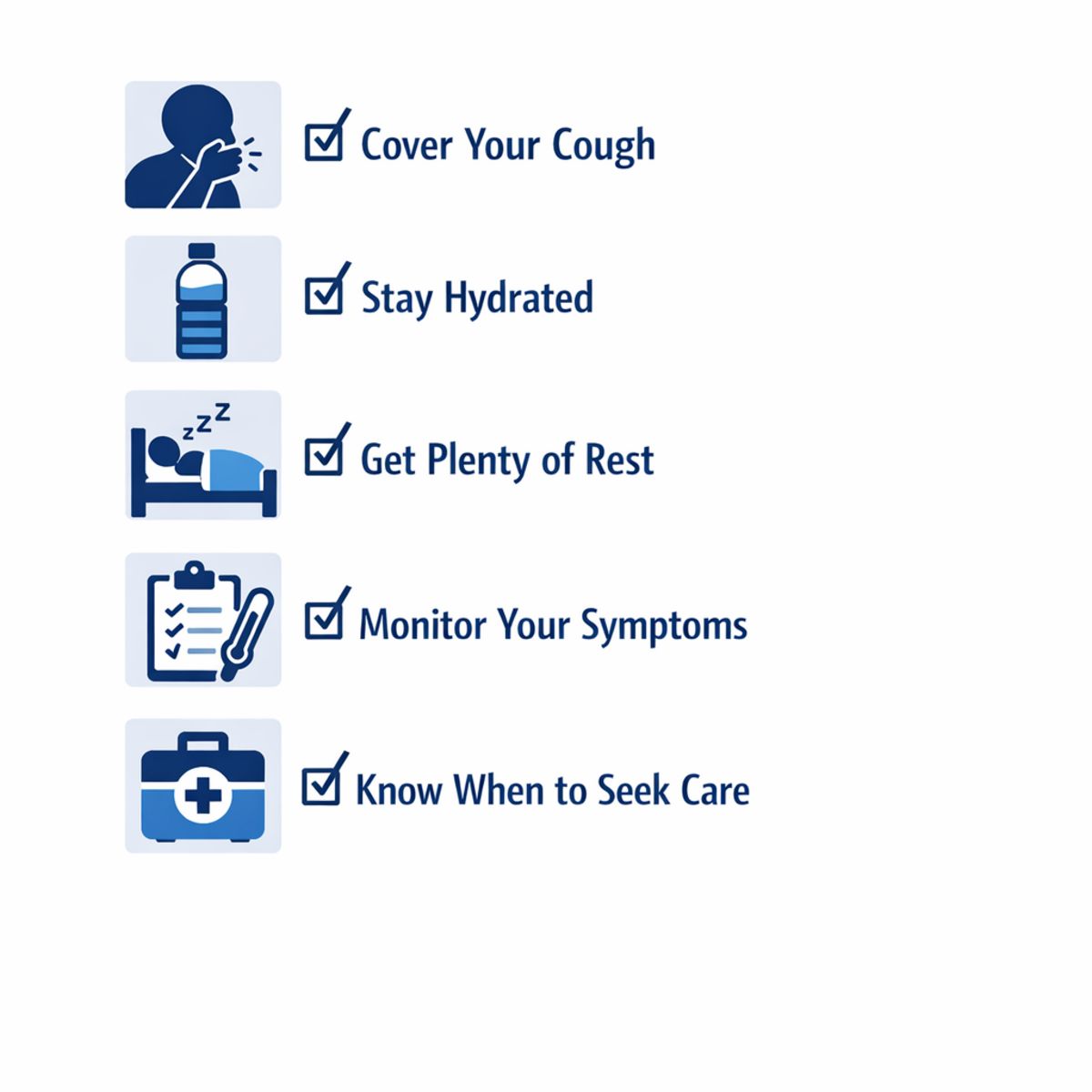
Wash your hands often with soap and water, especially after coughing, sneezing, or touching shared surfaces. Cover coughs and sneezes with a tissue or your elbow, and dispose of tissues promptly. If you are feeling sick, try to avoid close contact with others when possible, especially in shared home, work, or family spaces.
2. Use supportive care carefully
Rest, drink fluids, and pay attention to how you feel over time. Some adults may find that humidified air or soothing fluids make them more comfortable, depending on the condition. These steps can support recovery, but they are not a substitute for diagnosis or condition-specific treatment when needed.
3. Watch for worsening symptoms
Monitor for symptoms that are not improving, are becoming more intense, or involve changes in breathing. Do not rely on internet advice alone if symptoms worsen or breathing changes. If you need urgent care support for worsening symptoms, prompt evaluation can help determine the cause and the next appropriate step.
Frequently Asked Questions
Can adults carry the virus that causes croup?
Yes. Adults may carry and spread the viruses linked with croup, even when their own symptoms are mild or seem like a routine cold.
Can adults get a croup cough?
Sometimes. Adults can develop a harsh or barking cough and hoarseness, but classic croup is less common in adults than in children.
How can you tell croup from a cold or sinus infection?
It can be hard to tell based on symptoms alone because cough, congestion, sore throat, and voice changes can overlap. If symptoms are unusual, worsening, or not improving, a medical evaluation may be needed.
When should an adult seek urgent care for cough or hoarseness?
Consider urgent care if symptoms are getting worse, fever is persistent, swallowing is painful, breathing feels harder than usual, or the cough and hoarseness are not improving after several days.
When is breathing trouble an emergency?
Seek emergency help right away or call 911 for severe trouble breathing, bluish lips, confusion, chest pain, fainting, or if someone cannot speak in full sentences because of shortness of breath.
Get Evaluated for Cough, Cold, and Upper Respiratory Symptoms
If you are dealing with non-emergency symptoms like cough, sore throat, congestion, or other upper respiratory concerns, Prime Urgent Care may be able to help with an evaluation and guidance on next steps. You can walk in for in-clinic care, schedule a telehealth visit for evaluation, or explore urgent care services for adults to learn more about available care options.
If you plan to use insurance, it is a good idea to verify acceptance before your visit. For questions about symptoms, hours, or scheduling options, contact Prime Urgent Care to decide the most appropriate next step for your situation.
Key Takeaways
Adults can carry viruses that are linked to croup, but that is not the same as having classic croup itself. In adults, symptoms may look different and can overlap with other illnesses, which can make self-diagnosis difficult.
What to remember
The safest takeaway is to pay attention to symptoms that persist, worsen, or feel hard to explain on your own. For non-emergency concerns, timely medical evaluation can help clarify the cause. If symptoms become severe or breathing is difficult, seek emergency care right away. A calm, prompt next step is often the best one.