

How Long Does a Chest Cold Last? What to Expect
How long does a chest cold last? Most chest colds last about 7 to 14 days, though a lingering cough can continue for up to 3 weeks. Symptoms usually improve gradually with rest, fluids, and supportive care.
A chest cold, sometimes called acute bronchitis, often starts like a typical cold and then moves into the chest. Common chest cold symptoms include chest congestion, coughing, mild chest discomfort, and fatigue. While uncomfortable, it is typically not an emergency and improves on its own in otherwise healthy adults.
Quick Answer: Typical Chest Cold Timeline
The average chest cold follows this general timeline:
- Days 1–3: Sore throat, fatigue, and mild cough begin.
- Days 4–7: Increased chest congestion and more frequent coughing.
- Week 2: Gradual improvement, though mucus and cough may persist.
- Up to 3 weeks: A dry or mild productive cough can linger.
Understanding the stages of a chest cold can help you track recovery and avoid unnecessary worry. Many people find relief with rest and over-the-counter options outlined in our guide to effective cold medicines for adults.
Why Symptoms Sometimes Last Longer
In some cases, symptoms extend beyond two weeks. This may happen due to a strong immune response, seasonal viruses, or irritation in the airways that takes time to heal.
Other factors can include smoking, asthma, allergies, or underlying lung conditions. Persistent chest congestion or worsening cough may also signal a different condition, such as bronchitis, which may require further evaluation.
If your symptoms last more than 3 weeks, worsen, or include high fever, shortness of breath, or chest pain not related to coughing, consider a professional evaluation. Prime Urgent Care offers flu and cold treatment services across California to assess ongoing symptoms and guide safe recovery.
Quick Summary: Most chest colds resolve within 1–2 weeks, with cough sometimes lasting up to 3 weeks. Seek medical care if symptoms worsen, last longer than expected, or include breathing difficulty or high fever.
Table of Contents
- What Is a Chest Cold? Symptoms and Causes
- The Stages of a Chest Cold: Day-by-Day Timeline
- How to Get Rid of Chest Congestion and Find Relief
- When to See a Doctor for a Chest Cold
- Chest Cold vs. Flu vs. Bronchitis: What’s the Difference?
- Frequently Asked Questions About Chest Colds
- Get Professional Care for Ongoing Chest Cold Symptoms
What Is a Chest Cold? Symptoms and Causes
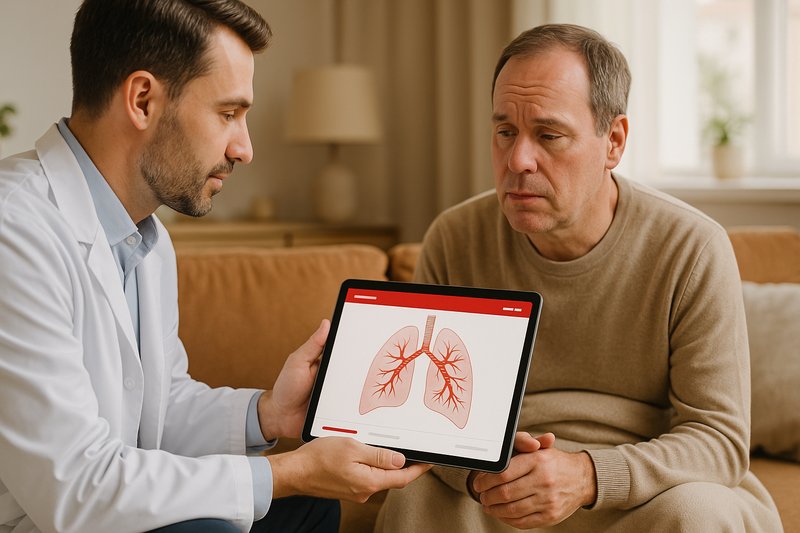
A chest cold, also called acute bronchitis, is a temporary inflammation of the bronchial tubes that causes cough, mucus production, and chest congestion.
Unlike a common cold, which mainly affects the nose and sinuses, a chest cold moves into the lower airways. Many people who search how long does a chest cold last are experiencing a lingering cough after a viral illness. In most cases, chest colds are caused by viruses, not bacteria.
Chest colds are different from the flu. Influenza often brings sudden high fever, body aches, and extreme fatigue. A chest cold typically develops more gradually and centers around persistent coughing and chest congestion.
Is a Chest Cold the Same as Acute Bronchitis?
Yes. A chest cold is the common term for acute bronchitis. It occurs when the bronchial tubes become inflamed, usually after a viral upper respiratory infection.
This inflammation causes swelling and excess mucus, which narrows the airways and triggers coughing. Symptoms often follow the typical stages of a chest cold: starting with a sore throat or runny nose, progressing to chest congestion and cough, and then gradually improving over one to three weeks.
If you want a deeper look at treatment approaches, see our guide on managing acute bronchitis effectively, which explains practical care options and when medical evaluation may help.
Common Chest Cold Symptoms
Chest cold symptoms can range from mild to moderate and often last longer than a typical head cold. Common signs include:
- Persistent cough, often producing clear, yellow, or green mucus
- Chest congestion or a feeling of tightness in the chest
- Mild fever and chills
- Fatigue or low energy
- Sore throat from frequent coughing
- Chest discomfort or soreness from repeated coughing
Seek medical care if you develop a high fever, shortness of breath, wheezing, or symptoms lasting more than a few weeks. In California, urgent care services can evaluate persistent cough, rule out pneumonia, and recommend appropriate treatment.
Quick summary: A chest cold (acute bronchitis) is a viral inflammation of the bronchial tubes that causes cough, mucus, and chest congestion. It differs from a head cold and flu by primarily affecting the lower airways and typically resolves with supportive care.
The Stages of a Chest Cold: Day-by-Day Timeline
If you’re wondering how long does a chest cold last, most cases follow a predictable pattern over 1–2 weeks. Understanding the stages of a chest cold can help you know what’s normal, when symptoms typically peak, and when to seek medical care.
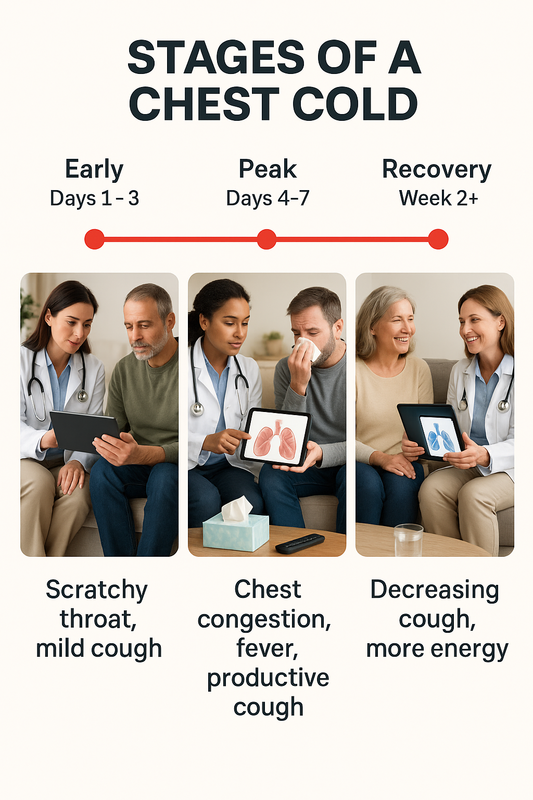
This infographic illustrates the typical day-by-day stages of a chest cold for patients and families.
While every person is different, chest cold symptoms often progress through three main phases: early irritation, peak congestion, and gradual recovery.
Early Stage: Irritation and Dry Cough
Days 1–3 usually mark the beginning of a chest cold. Symptoms are often mild but noticeable.
- Scratchy or sore throat
- Mild fatigue or low energy
- Runny or stuffy nose
- Dry, hacking cough
At this stage, inflammation is building in the airways. You may not yet have significant chest congestion, but the cough often begins as your body reacts to the infection.
Peak Stage: Chest Congestion and Productive Cough
Days 4–7 are typically the most uncomfortable. This is when chest cold symptoms intensify and mucus production increases.
- Thick mucus and chest congestion
- Wet or productive cough
- Mild fever or chills
- Chest tightness or soreness from coughing
Your body is actively clearing infection from the lungs and airways. Learning how to clear chest congestion safely—through rest, fluids, and appropriate medications—can make this phase more manageable.
If you develop a high fever, shortness of breath, worsening chest pain, or symptoms that do not improve, it’s wise to seek medical evaluation. Prime Urgent Care offers flu and cold treatment to assess for complications such as bronchitis or pneumonia.
Recovery Stage: Lingering Cough
Week 2 and beyond is the recovery phase. Most symptoms improve, but a lingering cough may persist.
- Gradually decreasing chest congestion
- Less frequent coughing
- Improving energy levels
A cough can last several weeks because airway inflammation takes time to settle, even after the infection clears. However, if your cough worsens, lasts more than 3–4 weeks, or is paired with breathing difficulty, medical evaluation is recommended.
Quick summary: Most chest colds start with mild throat irritation (Days 1–3), peak with chest congestion and mucus (Days 4–7), and improve over the next week, though a mild cough may linger.
How to Get Rid of Chest Congestion and Find Relief

Chest congestion from a cold can feel heavy, tight, and uncomfortable. If you’re wondering how to get rid of chest congestion, the goal is to thin mucus, calm inflammation, and support your body’s natural healing process.
Most cases are related to common chest cold symptoms and improve within one to three weeks. Below are practical, medically sound steps you can follow at home for safe and effective chest cold relief.
-
Step 1: Stay Hydrated
Drink plenty of water, warm tea, or clear broth throughout the day. Fluids help thin mucus in the airways, making it easier to cough up and clear chest congestion.
Aim for steady hydration rather than large amounts at once. Warm liquids may also soothe throat irritation and help if you’re looking for ways to relieve chest pain from coughing.
-
Step 2: Use Humid Air or Steam
Breathing moist air can loosen thick mucus. Use a clean humidifier in your room or take a warm shower to gently inhale steam.
Avoid very hot steam that could burn your skin or airways. Keep humidifiers clean to reduce the risk of mold or bacteria buildup.
-
Step 3: Consider Appropriate Medications
Over-the-counter options may support chest congestion remedies. Expectorants can help thin mucus, while cough suppressants may reduce disruptive nighttime coughing. Pain relievers can ease body aches or mild fever.
For a detailed overview of safe options, review these cold medicine choices for adults. Always follow label directions and speak with a healthcare professional if you have chronic conditions or take other medications.
-
Step 4: Rest and Monitor Symptoms
Rest allows your immune system to focus on recovery. Limit strenuous activity, and get adequate sleep while your body moves through the typical stages of a chest cold.
Monitor your symptoms closely. Seek medical care if you have:
- Fever above 101°F lasting more than a few days
- Shortness of breath or wheezing
- Chest pain not clearly related to coughing
- Symptoms lasting longer than three weeks
- Coughing up blood or thick green/brown mucus with worsening illness
If symptoms are persistent but not severe, a virtual visit through telehealth services can provide timely medical guidance from a licensed provider.
Quick summary: To clear chest congestion, focus on hydration, humid air, appropriate over-the-counter medications, and adequate rest. Most chest colds improve within a few weeks, but red-flag symptoms require prompt medical evaluation.
When to See a Doctor for a Chest Cold
If you’re wondering how long does a chest cold last, most mild cases improve within 1 to 3 weeks. During this time, chest cold symptoms like cough, chest congestion, and fatigue often peak and then gradually fade.
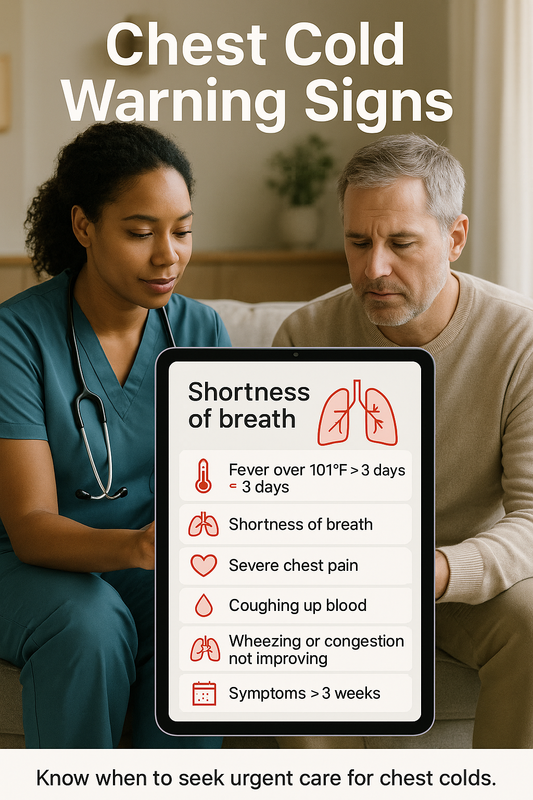
This infographic highlights urgent chest cold symptoms that mean it’s time to see a doctor.
However, some symptoms may signal a complication such as bronchitis or pneumonia. Knowing when to seek medical care can help you avoid delays in treatment and recover safely—especially in California, where seasonal viruses circulate year-round.
Red-Flag Symptoms That Need Medical Attention
Seek prompt medical evaluation if you notice any of the following:
- Fever above 101°F (38.3°C) that lasts more than 3 days or returns after improving
- Shortness of breath or trouble speaking full sentences
- Chest pain not related to coughing or pain that feels heavy, tight, or pressure-like
- Coughing up blood or rust-colored mucus
- Wheezing or worsening chest congestion despite home care
- Symptoms lasting longer than 3 weeks without improvement
A prolonged or worsening cough may point to bronchitis. Learn more about treatment options in our guide on how bronchitis is treated and when to seek care.
If you experience severe chest pain, significant breathing difficulty, confusion, or bluish lips or fingertips, seek emergency care immediately.
If your symptoms are concerning but not life-threatening, scheduling an in-person evaluation can provide clarity and relief. Our urgent care services in California offer same-day visits for respiratory illnesses, including chest congestion and persistent cough.
Quick summary: A typical chest cold improves within 1–3 weeks. High fever, shortness of breath, chest pain unrelated to coughing, blood in mucus, or symptoms lasting beyond three weeks should be evaluated by a healthcare professional.
Chest Cold vs. Flu vs. Bronchitis: What’s the Difference?
Chest cold, flu, and bronchitis can all cause cough and chest congestion, but they differ in cause, severity, and duration. Understanding these differences helps explain how long does a chest cold last and when symptoms may signal something more serious.
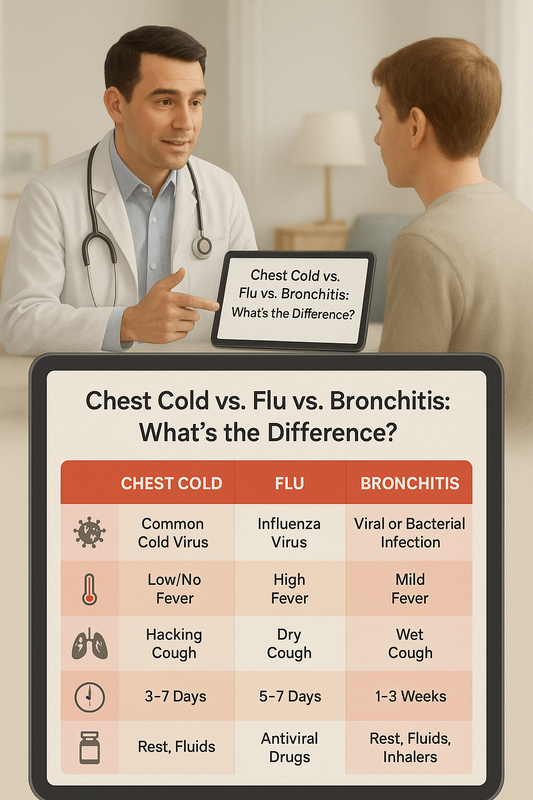
This visual chart quickly compares key differences between chest cold, flu, and bronchitis.
A chest cold (acute viral bronchitis) is usually mild and short-lived. The flu tends to start suddenly with more intense whole-body symptoms. Bronchitis often involves deeper airway inflammation and a longer-lasting cough.
Key Differences at a Glance
- Cause:
- Chest Cold: Usually caused by common cold viruses.
- Flu: Caused by the influenza virus.
- Bronchitis: Often viral, sometimes bacterial; involves inflammation of bronchial tubes.
- Fever:
- Chest Cold: Rare or low-grade.
- Flu: Common and often high (100–104°F).
- Bronchitis: Mild or absent unless infection worsens.
- Cough Type:
- Chest Cold: Wet cough with mucus; common chest cold symptoms include chest congestion and mild fatigue.
- Flu: Dry or hacking cough with body aches.
- Bronchitis: Persistent cough lasting 3+ weeks, often with thick mucus.
- Duration:
- Chest Cold: Typically 7–10 days, though cough may linger.
- Flu: 5–14 days, with fatigue lasting longer.
- Bronchitis: 2–3 weeks or more.
- Treatment Approach:
- Chest Cold: Rest, fluids, and over-the-counter options for cold and chest congestion relief.
- Flu: Antiviral medication (if early), fever control, hydration.
- Bronchitis: Symptom management; occasionally inhalers or antibiotics if bacterial.
If you are unsure which condition you have—especially with high fever, shortness of breath, or worsening chest pain—it’s wise to seek medical evaluation. Prime Urgent Care offers flu and cold treatment services across California to help confirm a diagnosis and guide safe recovery.
Quick summary: A chest cold is usually mild with mucus and minimal fever, the flu causes sudden high fever and body aches, and bronchitis leads to a deeper, longer-lasting cough. Duration and symptom severity are the main clues.
Frequently Asked Questions About Chest Colds
How long does a chest cold last in adults?
Many patients ask how long does a chest cold last in adults. Most chest colds improve within 7 to 10 days, though a lingering cough can last up to three weeks. Chest cold symptoms such as chest congestion and mucus production often peak around days 3 to 5 before gradually easing.
Can a chest cold last for three weeks?
Yes, a chest cold can last three weeks, especially if a persistent cough follows the initial infection. While congestion and fatigue usually improve sooner, airway irritation may take longer to settle. If symptoms are worsening instead of improving, a medical evaluation is recommended.
What are the stages of a chest cold?
The stages of a chest cold typically include an early sore throat or fatigue phase, followed by increased chest congestion and coughing. In the final stage, mucus thickens and coughing gradually decreases. Most people begin feeling better within one to two weeks.
How do I know if my chest cold is turning into bronchitis?
If your cough becomes deeper, produces persistent thick mucus, or lasts beyond three weeks, it may be acute bronchitis. Wheezing, chest tightness, or mild shortness of breath can also occur. You can learn more about warning signs and care in this guide on bronchitis treatment and recovery.
What helps relieve chest pain from coughing?
To understand how to relieve chest pain from coughing, focus on reducing inflammation and muscle strain. Rest, warm fluids, honey (for adults), and over-the-counter pain relievers may help. Using a humidifier can also soothe irritated airways and support overall chest cold relief.
How can I clear chest congestion faster?
If you’re wondering how to clear chest congestion, stay well hydrated and consider steam inhalation to loosen mucus. Gentle movement and deep breathing exercises may also help. For medication options and chest congestion remedies, review these recommended cold medicines for adults.
Is chest congestion a sign of pneumonia?
Chest congestion alone does not mean pneumonia. However, high fever, chills, sharp chest pain with breathing, or shortness of breath may signal a more serious infection. If these symptoms appear, prompt medical evaluation is important to rule out complications.
When should I go to urgent care for a chest cold?
Seek care if symptoms last longer than three weeks, worsen after initial improvement, or include high fever, difficulty breathing, or severe chest pain. At Urgent Care Services, clinicians can evaluate persistent chest cold symptoms and provide appropriate treatment. Early care may help prevent complications.
Get Professional Care for Ongoing Chest Cold Symptoms
If you’re wondering how long does a chest cold last, most people start to feel better within 1 to 2 weeks. Mild chest cold symptoms like cough and chest congestion can linger a bit longer, especially during the final stages of a chest cold.
However, symptoms that persist beyond three weeks, worsen over time, or include high fever, shortness of breath, or significant chest pain should be evaluated by a medical professional. Early assessment can help rule out conditions such as bronchitis or pneumonia and guide appropriate treatment.
For in-person evaluation and supportive care, explore our Flu & Cold Treatment services available at Prime Urgent Care locations across California.
Compassionate Support When You Need It
Most chest colds improve with rest, fluids, and targeted chest cold relief strategies. If you’re unsure how to clear chest congestion safely or how to relieve chest pain from coughing, a timely visit can provide clarity and peace of mind.
At Prime Urgent Care, we focus on immediate care and compassionate service for families throughout California. Our clinicians evaluate your symptoms, explain what stage of recovery you’re in, and recommend practical next steps based on your health history.
AI Overview: A chest cold usually resolves within two weeks, but persistent or worsening symptoms may require medical evaluation. Timely urgent care can help confirm the diagnosis and support safe recovery.